What is Liver Cancer?
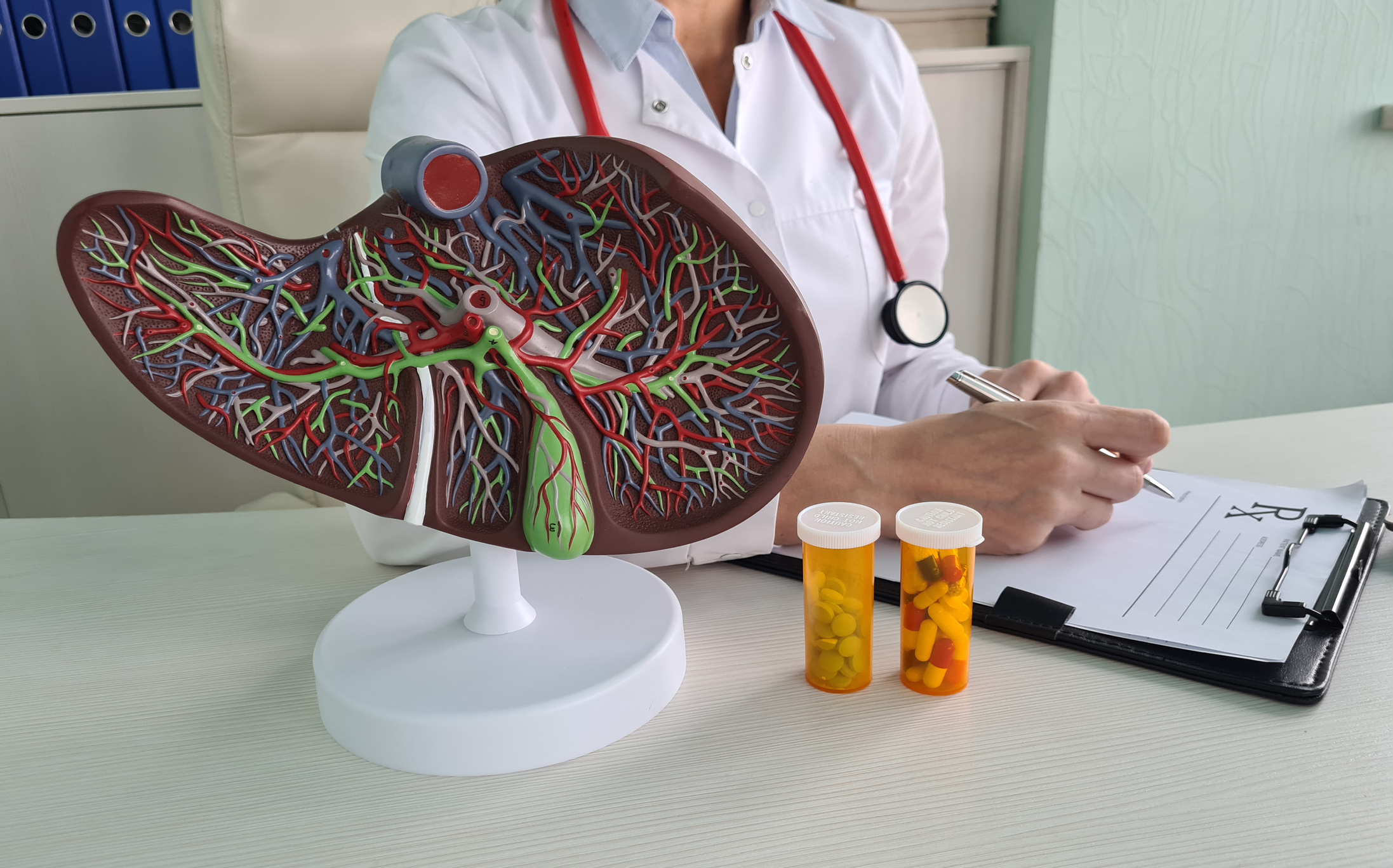
Liver cancer, also known as hepatic cancer, is a type of cancer that originates in the cells of the liver. The liver is a vital organ in the upper right portion of the abdomen. It is essential for detoxifying harmful substances, producing vital proteins, and aiding digestion through bile production.
There are several types of liver cancer, the most common being hepatocellular carcinoma, which arises from the primary type of liver cells known as hepatocytes. Other less common types include cholangiocarcinoma, which originates in the bile ducts, and angiosarcoma, which forms in the liver’s blood vessels. Liver cancer can be challenging to diagnose early due to often subtle or nonspecific symptoms, making regular screening important, especially for individuals at high risk.
Signs and Symptoms of Liver Cancer
Liver cancer can often be challenging to detect in its early stages as symptoms may be subtle or non-specific. Individuals may experience noticeable signs that prompt medical attention as the disease progresses. Common symptoms of liver cancer include:
- Unexplained Weight Loss: Rapid or unexplained weight loss can be an early warning sign.
- Loss of Appetite: A persistent lack of interest in food or a feeling of fullness after eating small amounts.
- Upper Abdominal Pain: Discomfort or pain in the upper right section of the abdomen.
- Swelling of the Abdomen: Often due to fluid build-up (ascites) in the abdominal cavity.
- Jaundice: Yellowing of the skin and eyes caused by increased bilirubin levels.
- Fatigue and Weakness: Persistent tiredness and weakness are common in advanced stages.
- Nausea and Vomiting: Frequent feelings of nausea and episodes of vomiting.
- Enlarged Liver or Spleen: A noticeable bulge on the right side under the rib cage or in the spleen area.
- Itching: Itchy skin resulting from bile salts depositing under the skin.
Early detection can significantly improve the prognosis and treatment outcomes for liver cancer. Hence, individuals at high risk, such as those with chronic liver diseases or a family history of liver cancer, should undergo regular screening and consult their healthcare provider if they exhibit any of these symptoms.
Liver Diseases that Could Develop into Liver Cancer?
Several conditions can increase an individual’s risk of developing liver cancer. These include chronic liver diseases, such as:
- Hepatitis B and C Infection: Chronic infections with the hepatitis B or C virus can lead to liver damage and cirrhosis, increasing the risk of liver cancer.
- Cirrhosis: Cirrhosis is a severe scarring of the liver caused by various conditions, including alcohol abuse, fatty liver disease, or chronic viral hepatitis. People with cirrhosis have a higher chance of developing liver cancer.
- Non-Alcoholic Fatty Liver Disease (NAFLD): NAFLD is a condition in which excess fat accumulates in the liver, leading to inflammation and scarring. If left untreated, it can cause cirrhosis and increase the risk of liver cancer.
- Inherited Liver Diseases: Certain inherited liver diseases, such as hemochromatosis, Wilson’s disease, and alpha-1 antitrypsin deficiency, can also increase an individual’s risk of developing liver cancer.
What Age Should You Get Screened for Liver Cancer?
The appropriate age for liver cancer screening depends mainly on individual risk factors rather than a specific age benchmark. High-risk individuals, such as those with chronic hepatitis B or C infections, cirrhosis of the liver, or a family history of liver cancer, should begin regular screening earlier. Typically, those with chronic hepatitis B should start screening at age 40 for men and age 50 for women.
For individuals with liver cirrhosis, screening should begin as soon as the condition is diagnosed, regardless of age. Regular screening through ultrasound and alpha-fetoprotein (AFP) blood tests can help detect liver cancer at an earlier, more treatable stage. It is crucial to have a conversation with your healthcare provider to develop a screening plan tailored to your health history and risk factors.
How Treatable is Liver Cancer if Caught Early?
Early detection of liver cancer significantly enhances patients’ treatability and potential outcomes. When liver cancer is identified at an initial stage, a wider range of treatment options becomes available, including surgical resection, liver transplantation, and localized therapies. Surgical resection involves the removal of the tumor along with a margin of healthy liver tissue and is often considered for patients with a single tumor and preserved liver function.
Liver transplantation offers a potential cure for patients with early-stage cancer who do not have widespread liver disease, though it is contingent on the availability of a suitable donor. Localized treatments, such as radiofrequency ablation, transarterial chemoembolization (TACE), and stereotactic body radiation therapy (SBRT), can effectively target and destroy cancer cells while sparing surrounding healthy tissue.
These treatment strategies can be highly effective in prolonging survival and improving quality of life for those diagnosed early. Regular screening and early intervention are therefore critical in managing liver cancer and achieving the best possible outcomes.
How Long Can Liver Cancer Go Untreated?
The progression of untreated liver cancer can vary widely depending on several factors, including the type of liver cancer, the overall health of the patient, and the presence of underlying liver conditions such as cirrhosis or hepatitis. Generally, liver cancer tends to be aggressive and can spread quickly. Without treatment, the median survival time for patients with advanced hepatocellular carcinoma (HCC) is typically several months to a year.
However, this timeframe can be longer or shorter based on individual circumstances. Untreated liver cancer can lead to severe complications such as liver failure, internal bleeding, and metastasis to other parts of the body, which can further impact survival and quality of life. Early detection and prompt treatment are crucial in managing the disease and improving outcomes. Regular screening and monitoring are essential for those at high risk of catching liver cancer at a stage where it is more manageable and treatable.
When to Talk to Your Doctor
It is vital to consult your healthcare provider if you notice any signs or symptoms associated with liver cancer, particularly if you fall into a high-risk category. Individuals with chronic liver diseases such as hepatitis B or C, cirrhosis, or a family history of liver cancer should have an ongoing dialogue with their doctor regarding their health and screening options.
Early warning signs like unexplained weight loss, persistent abdominal pain, jaundice, or sudden changes in appetite and fatigue should prompt immediate medical attention. Regular check-ups and screenings are essential for early detection, so don’t wait for symptoms to escalate before seeking professional advice. Open communication with your doctor can help in early diagnosis and increase the chances of successful treatment.
If you suspect that you are at risk for Liver Cancer, please contact the experts at Allied Digestive Health.