The abdominal pain and cramping of irritable bowel syndrome (IBS) can range from a nagging ache to a flare that stops you in your tracks. If you are searching for how to relieve IBS pain, the encouraging news is that there are both quick comfort measures for the moment and longer-term strategies that can reduce how often flares happen at all. Not every approach works for everyone, and the most effective plan is usually built with your doctor, but understanding your options puts you back in control. This article covers at-home relief, evidence-based dietary changes, the gut-brain connection, and when it is time to seek medical care.
Understanding IBS Pain Flares
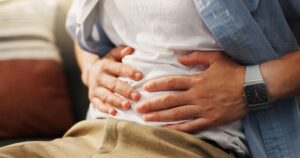
IBS pain comes from the way the gut and its nerves behave rather than from damage to the bowel. People with IBS often have a heightened sensitivity in the digestive tract, so normal processes like the movement of gas and stool can be felt as pain or cramping. Muscle spasms in the intestinal wall, along with bloating and trapped gas, add to the discomfort. Flares are frequently triggered by specific foods, large or fatty meals, stress, hormonal changes, or disruptions to routine. Because triggers and symptoms vary so much from person to person, learning your own patterns is a valuable first step. Keeping a simple record of what you eat, your stress levels, and when pain occurs can reveal connections you can then act on, both to calm a current flare and to prevent future ones. IBS also comes in different subtypes, with some people experiencing more constipation, others more diarrhea, and some a mix of both, which can influence how and when pain shows up. For many people, abdominal pain eases at least somewhat after a bowel movement, a pattern that helps distinguish IBS discomfort from other causes and is worth noting when you track your symptoms.
Instant Relief for IBS Pain at Home
When a flare hits, several gentle, low-risk measures may help ease the discomfort in the moment. These are comfort strategies rather than cures, but many people find them soothing and they are easy to try at home while you wait for the pain to pass.
Applying Gentle Heat
A heating pad, warm water bottle, or warm bath applied to the abdomen is a time-honored way to ease cramping. Warmth can help relax tense abdominal muscles and provide a comforting distraction from the pain. Use a barrier like a towel to protect your skin, and keep the heat at a comfortable, moderate level. This simple measure carries little risk and can be repeated as needed during a flare.
Herbal Teas and Hydration
Sipping a warm, caffeine-free herbal tea, such as peppermint or ginger, can feel calming during a flare, and peppermint in particular is associated with soothing digestive muscles. Staying well hydrated with water also supports healthy digestion and can ease constipation-related discomfort. Avoid drinks that tend to aggravate symptoms for many people, including caffeinated and carbonated beverages and alcohol, especially while you are already feeling unwell.
Gentle Physical Movement
Light movement can help when you feel up to it. A slow walk or some gentle stretching may encourage trapped gas to move along and can ease the bloating that often accompanies IBS pain. Movement also helps counter stress, which is closely tied to symptoms. There is no need to push through an intense workout during a flare; the goal is gentle, comfortable activity that keeps things moving without adding strain.
Long-Term Dietary Changes to Stop IBS Pain
While at-home measures help in the moment, dietary changes are where many people find lasting relief from recurring IBS pain. These strategies work best when introduced thoughtfully, ideally with guidance from a registered dietitian who can keep your diet balanced and interpretable.
Navigating the Low FODMAP Diet
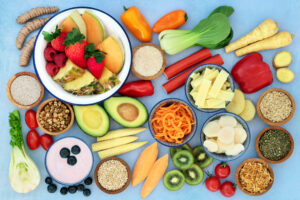
The low-FODMAP diet is one of the most evidence-supported dietary approaches for IBS. It temporarily reduces certain fermentable carbohydrates that commonly trigger symptoms, then reintroduces them to identify your personal triggers. Research shows it can meaningfully reduce abdominal pain and bloating for many people. Because it is restrictive during the elimination phase, it is best done under professional guidance and is meant to be personalized rather than followed rigidly forever.
The Role of Fiber
Fiber can help with IBS, but the type matters. Soluble fiber, found in foods like oats and psyllium, tends to be gentler and can help regulate bowel movements, while insoluble fiber worsens symptoms for some people. If you add fiber, do so gradually and with plenty of water, since increasing it too quickly can temporarily worsen gas and bloating. Because responses vary, it is worth adjusting fiber thoughtfully and noting how your body reacts.
Peppermint Oil Capsules
Enteric-coated peppermint oil capsules are a well-studied option for IBS pain. Meta-analyses of clinical trials have found peppermint oil to be more effective than placebo for reducing abdominal pain and overall IBS symptoms, likely because it helps relax intestinal muscle. It is generally well tolerated, though some people experience heartburn. Because it can interact with certain conditions and medications, talk with your doctor before starting peppermint oil capsules to make sure they are right for you.
Managing the Gut-Brain Connection
The gut and brain are in constant two-way communication, often called the gut-brain axis, and this connection is central to IBS. Stress and strong emotions can trigger or worsen abdominal pain, and living with chronic pain can in turn raise stress, creating a cycle. Addressing this connection is a genuine part of pain relief, not an afterthought. Techniques such as deep breathing, mindfulness, and regular relaxation can help calm the nervous system, and getting enough sleep supports the whole system. For many people, structured approaches like cognitive behavioral therapy or gut-directed hypnotherapy have strong evidence for reducing IBS symptoms and are well worth discussing with your provider. Managing stress will not make IBS disappear, but for a condition so tied to the gut-brain axis, it is one of the more powerful and underused tools available. Some people also explore probiotics as part of managing symptoms. While certain strains may help some individuals, the overall evidence is mixed and responses vary from person to person, so it is worth discussing with your provider rather than assuming any single product will work for you.
When to See a Doctor for IBS
Home strategies and dietary changes help many people, but you should see a doctor if IBS pain is frequent, severe, or interfering with your daily life, or if your symptoms are not improving with the measures you have tried. It is especially important to seek medical care for warning signs that are not typical of IBS, including blood in the stool, unexplained weight loss, persistent or worsening pain, pain or symptoms that wake you at night, difficulty swallowing, or signs of anemia such as unusual fatigue. These warrant prompt evaluation to rule out other conditions. A gastroenterologist can confirm the diagnosis, help identify your triggers, and build a treatment plan that may combine dietary changes, stress management, and medication. Keeping a record of your symptoms, your triggers, and which relief measures you have already tried gives your gastroenterologist a valuable head start in tailoring your care. You do not have to simply live with IBS pain; effective help is available. For education only, not medical advice.
Call To Action
If IBS pain is disrupting your life, the specialists at Allied Digestive Health can help you find lasting relief with a personalized treatment plan. Request an appointment today to take the next step toward better digestive health.
Citations
NIDDK (National Institute of Diabetes and Digestive and Kidney Diseases) – Treatment for Irritable Bowel Syndrome.
https://www.niddk.nih.gov/health-information/digestive-diseases/irritable-bowel-syndrome/treatment
NIDDK (National Institute of Diabetes and Digestive and Kidney Diseases) – Eating, Diet, & Nutrition for Irritable Bowel Syndrome.
https://www.niddk.nih.gov/health-information/digestive-diseases/irritable-bowel-syndrome/eating-diet-nutrition
BMC Complementary Medicine and Therapies (2019) – The impact of peppermint oil on the irritable bowel syndrome: a meta-analysis of the pooled clinical data.
https://pubmed.ncbi.nlm.nih.gov/30654773/
For education only, not medical advice.