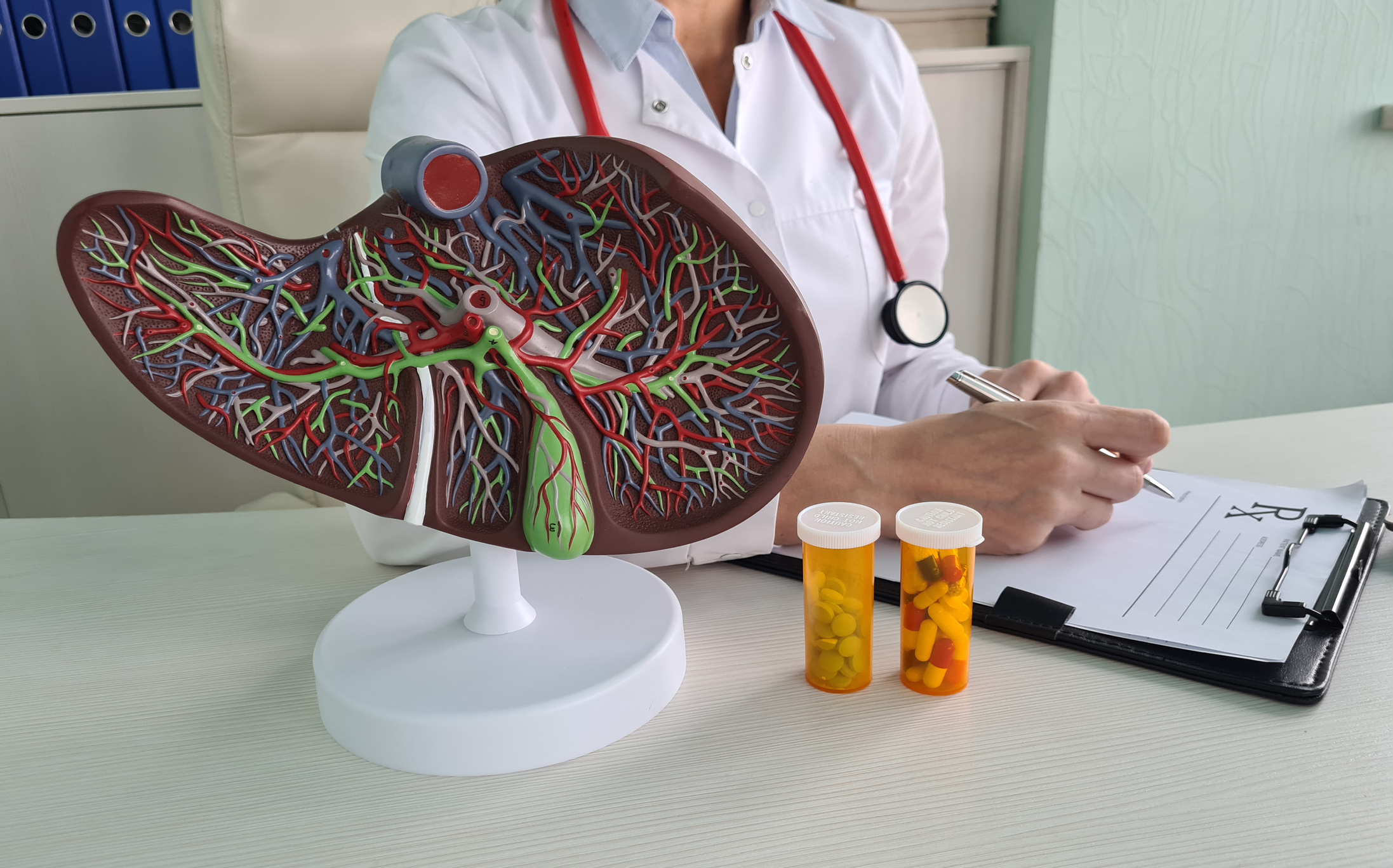
Did you know that the liver is the largest internal organ in our body? It is crucial to filter and remove toxins from our blood, produce essential proteins, and store energy. But like any other organ, it can also be vulnerable to diseases affecting its functions.
Liver disease is a common but serious medical condition affecting millions worldwide. It refers to any disorder that affects the liver, an important organ responsible for many vital bodily functions. Viruses, alcohol consumption, obesity, or genetic factors cause some types of liver disease.
- Hepatitis: A viral infection that causes inflammation and damage to the liver. There are several types, including Hepatitis A, B, and C.
- Cirrhosis: A late stage of serious liver diseases, it involves loss of liver cells and irreversible scarring of the liver.
- Alcoholic Liver Disease: This disease occurs as a result of heavy alcohol consumption over a prolonged period.
- Non-alcoholic Fatty Liver Disease (NAFLD): This is a type of liver disease where fat builds up in the liver, and it’s not due to alcohol consumption. It’s closely linked to obesity and type 2 diabetes.
- Liver Cancer: Primary liver cancer originates in the liver itself, while secondary liver cancer has spread from other parts of the body.
- Gilbert’s Syndrome: A common, harmless liver condition where the liver doesn’t process bilirubin properly. It often doesn’t require treatment.
- Primary Sclerosing Cholangitis: A disease that damages and blocks the bile ducts inside and outside the liver.
- Autoimmune Hepatitis: This is a chronic disease in which the body’s immune system attacks the liver cells, leading to inflammation and liver damage.
If left untreated, liver disease can lead to severe complications and even death. But the good news is that early diagnosis and proper treatment can significantly improve patient outcomes.
What Are the First Signs of Liver Disease?
Liver disease can present with a wide range of signs and symptoms that vary depending on the specific type and stage of the condition. Below is a detailed list of possible signs and symptoms:
- Fatigue and Weakness: This is often one of the earliest signs of liver disease and may persist throughout the course of the disease.
- Loss of Appetite: Patients may experience a decrease in their desire to eat, leading to weight loss.
- Abdominal Discomfort: This may present as a dull ache or a sharp pain in the upper right part of the abdomen.
- Unexplained Weight Changes: Both weight loss due to reduced appetite and weight gain due to fluid retention can occur.
- Jaundice: A condition characterized by yellowing of the skin and eyes due to the liver’s inability to properly process bilirubin.
- Dark Urine: Caused by high levels of bilirubin passing through the kidneys.
- Pale or Clay-Colored Stools: This happens when the liver does not produce enough bile or if the bile ducts are blocked.
- Swelling in the Legs or Abdomen: This is known as edema and ascites, respectively, and is due to fluid retention as a result of liver disease.
- Itchy Skin: High bilirubin levels in the blood can cause the skin to itch.
- Bleeding and Bruising Easily: A damaged liver produces fewer proteins needed for blood clotting, making the patient more prone to bleeding and bruising.
If you notice any of these signs or symptoms, contact your healthcare provider promptly for assessment.
How is Liver Disease Diagnosed?
The diagnosis of liver disease is based on a combination of medical or family history, physical examination, and various diagnostic tests. Blood tests are commonly used to assess liver function and identify any damage or inflammation.
Imaging tests such as ultrasound, CT scan, or MRI can provide a detailed view of the liver and detect abnormalities like tumors or cysts. In some cases, a liver biopsy may be necessary, where a small sample of liver tissue is removed for microscopic examination. This helps determine the extent of liver damage and the specific cause of the disease.
Common Treatments for Liver Disease
The treatment for liver disease depends on the diagnosis and the specific condition affecting the liver. For milder diseases, lifestyle modifications like a healthy diet, regular exercise, and avoidance of alcohol and other liver-damaging substances may be recommended.
For more complex and severe liver diseases, a more aggressive treatment approach may be necessary. Medications are often prescribed to slow or halt the progression of the disease, manage symptoms, or treat underlying causes, such as antiviral drugs for hepatitis or immunosuppressive drugs for autoimmune liver diseases.
In advanced cases of cirrhosis or liver failure, liver transplantation may be the only viable treatment option. This involves surgically replacing the diseased liver with a healthy one from a donor.
Can a Blood Transfusion Help Liver Disease?
While blood transfusions are not a treatment for liver disease itself, they can be used in certain circumstances to manage complications associated with severe liver disease. For instance, patients with liver disease often suffer from coagulation disorders, leading to an increased risk of bleeding and bruising. In such cases, a blood transfusion can help replace lost blood and maintain adequate blood volume.
Furthermore, liver disease patients might develop anemia due to various factors such as malnutrition, bleeding varices, or medication side effects. A transfusion of red blood cells can help to increase hemoglobin levels and alleviate symptoms of anemia.
However, it’s crucial to understand that while blood transfusions can temporarily manage these complications, they do not address the underlying liver damage. Treating the specific liver disease and managing the contributing risk factors remain central to the overall care strategy for liver patients.
It’s important to note that early diagnosis and treatment can significantly improve the outcome of liver diseases, underscoring the need for regular check-ups and consultations with healthcare professionals.
Can My Liver Go Back to Normal?
The liver’s capability to regenerate is remarkable and distinguishes it from other human organs. This means the liver can repair and regrow itself to some extent after damage or surgical removal. However, the extent of this regeneration and the return to normal function depends on the type and severity of the liver disease.
In the early stages of some diseases, such as fatty liver disease or mild hepatitis, liver health can be significantly improved and potentially fully restored through lifestyle modifications like a healthy diet, regular exercise, and abstaining from alcohol.
In more severe cases, like advanced cirrhosis, the liver’s regenerative capacity may not suffice to restore normal function. Therefore, while liver recovery is possible, it is not guaranteed in all cases and is heavily influenced by the specific condition and its stage of progression.
Regular medical check-ups and following the treatment plan provided by your healthcare professional are critical to maximizing liver health and functionality.
When to Talk to Your Doctor
If you notice any potential signs of liver disease or may have a family history of liver disease, it’s important to consult with your healthcare provider as soon as possible.
Early symptoms, such as fatigue, loss of appetite, or mild abdominal discomfort, may not seem severe but can indicate the onset of liver disease. Any changes in the color of your skin or eyes, alterations in the color of your urine or stool, or sudden and unexplained weight fluctuations should also prompt many questions to ask your doctor. Contact an Allied Digestive Health provider today to learn more.