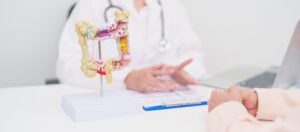
If having a baby wasn’t enough, Irritable Bowel Syndrome (IBS) can present unique challenges during pregnancy, affecting both the mother’s comfort and overall prenatal health. Pregnancy itself brings about various physiological changes, including hormonal fluctuations and pressure on the digestive organs, which can exacerbate IBS symptoms like bloating, constipation, and diarrhea.
Understanding how IBS interacts with these changes is crucial for managing symptoms effectively during pregnancy. Pregnant individuals with IBS should work closely with their healthcare providers to tailor their dietary and lifestyle strategies, ensuring both maternal and fetal health while minimizing discomfort. Effective management might include adjusting fiber intake, identifying and avoiding specific trigger foods, and incorporating safe prenatal exercises.
Stress and anxiety, which can worsen IBS symptoms, should be addressed through relaxation techniques and support networks to promote well-being for both mother and baby during this crucial time.
Common IBS Symptoms During Pregnancy
During pregnancy, individuals with Irritable Bowel Syndrome (IBS) may encounter a unique set of symptoms or exacerbations influenced by physiological changes. Typical IBS symptoms that may present or intensify during this period include abdominal pain and cramping, which can be sporadic or persistent due to increased hormonal activity and changes in the digestive system.
Bloating is another frequent issue, often worsened by the slower movement of the gastrointestinal tract. Pregnant individuals may also experience constipation, as slowed digestion can lead to harder stools, while diarrhea may occur due to dietary changes or stress. Understanding these symptoms and recognizing their patterns is critical to effective management, allowing for appropriate nutritional and lifestyle adjustments to ensure maternal comfort and fetal well-being throughout the pregnancy.
Dietary Considerations for Pregnant Individuals with IBS
Navigating dietary choices during pregnancy can be challenging, especially for those managing Irritable Bowel Syndrome (IBS). Pregnant individuals should focus on a well-balanced diet that supports both maternal and fetal health while being mindful of IBS symptoms. Fiber is critical in managing IBS-related constipation, so incorporating high-fiber foods such as whole grains, fruits, and vegetables is beneficial. However, it is essential to introduce fiber slowly to avoid exacerbating bloating.
Identifying and avoiding personal trigger foods—such as foods high in fat, caffeine, or artificial sweeteners—can help reduce flare-ups. Staying hydrated is crucial, as proper fluid intake can help ease constipation and support the increased blood volume required during pregnancy. Consulting with a healthcare provider or a dietitian specializing in IBS and prenatal nutrition can also aid in creating a dietary plan tailored to individual needs, ensuring both symptom management and nutritional adequacy for a healthy pregnancy.
Managing Stress and Anxiety
Managing stress and anxiety is crucial for pregnant individuals with Irritable Bowel Syndrome (IBS), as both psychological factors can significantly influence symptoms. Implementing effective stress-reduction strategies is essential to ensure both maternal and fetal well-being.
Prenatal yoga, mindfulness meditation, and deep breathing exercises can help calm the mind and reduce physical tension. Establishing a strong support network is also beneficial; engaging in open communication with partners, family members, and healthcare providers can provide emotional reassurance and practical support during pregnancy.
Maintaining a regular sleep schedule and incorporating gentle physical activity can further contribute to emotional stability and symptom management. By actively addressing stress and anxiety, pregnant individuals with IBS can promote a healthier and more comfortable pregnancy experience.
Safe Medications During Pregnancy
For pregnant individuals with Irritable Bowel Syndrome (IBS), managing symptoms can sometimes require pharmacological intervention. While not all medications are safe during pregnancy, specific options can be considered under a healthcare provider’s guidance. It’s essential to have a thorough discussion about the potential benefits and risks of each medication.
Stool softeners like docusate sodium are often recommended for managing constipation as they are generally considered safe. Antispasmodics, which help alleviate abdominal cramping, should be used cautiously and only if necessary, following medical advice. Probiotics can also be a beneficial and safe addition, as they support gut health without adverse effects.
Pregnant individuals should always consult their healthcare provider before using any medication or supplement to ensure it aligns with their specific health needs and overall pregnancy goals. Carefully selecting safe treatments can enhance maternal comfort without compromising fetal health.
Postpartum IBS: What to Expect
After childbirth, individuals with Irritable Bowel Syndrome (IBS) may continue to experience symptoms as their bodies adjust to postpartum changes. Hormonal fluctuations, the stress of new motherhood, and adjustments in daily routines can all influence IBS symptoms. It’s common for digestive issues like constipation or diarrhea to persist or change in severity as the body returns to its pre-pregnancy state.
Moreover, the physical and emotional demands of caring for a newborn can exacerbate stress and anxiety levels, further impacting IBS. To manage postpartum IBS effectively, it’s important to maintain a balanced diet, incorporate stress-relief techniques, and seek support from family or healthcare professionals when needed. Breastfeeding individuals should consult their healthcare providers for personalized advice on medications and dietary adjustments to ensure continued maternal health and minimize IBS symptoms post-delivery.
Tips for Recovery After Pregnancy
Recovering after pregnancy while managing Irritable Bowel Syndrome (IBS) requires a comprehensive approach that addresses physical, mental, and dietary needs. First, prioritize rest whenever possible, as adequate sleep is crucial for healing and emotional well-being. Establishing a gentle exercise routine post-approval from a healthcare provider can help boost energy levels and improve digestion. Incorporating nutrient-dense meals high in protein and fiber can support recovery and alleviate digestive discomfort.
Hydration should also be a focus, aiding in digestion and milk production for breastfeeding mothers. Managing stress through relaxation techniques, such as mindfulness or short breaks, can positively impact IBS symptoms and overall recovery. It’s beneficial for new mothers to seek social support and professional advice to navigate the postpartum period effectively. Implementing these strategies can make the postpartum recovery journey more manageable and fulfilling.
When to Talk to Your Doctor
Open communication with your healthcare provider is essential for pregnant individuals managing Irritable Bowel Syndrome (IBS). Recognizing when to seek medical advice can help ensure maternal and fetal health. You should consider scheduling a consultation if you experience severe symptoms that disrupt your daily life, such as persistent abdominal pain, significant changes in bowel habits, or inadequate relief from your usual management strategies.
Additionally, consulting your doctor is advisable if you are uncertain about the safety of any medications or require guidance on dietary adjustments. Your healthcare provider can assess your symptoms, recommend safe and effective treatments, and offer tailored advice that aligns with your pregnancy’s progression. Early and ongoing dialogue with a healthcare professional can help you assess your condition and explore management options if they affect your quality of life. We encourage you to meet with our professionals at Allied Digestive Health.