Colonoscopy: What to Expect & Why It’s Important
As we have seen, colonoscopy is a crucial medical procedure that allows doctors to detect and prevent colorectal cancer. But what exactly happens during a colonoscopy? This section will discuss what you can expect before, during, and after the procedure.
While everyone at age 45 and above is recommended to have regular colonoscopies, specific individuals may need to begin screenings earlier or have them more frequently. These include people with a family history of colorectal cancer or adenomatous polyps, a personal history of inflammatory bowel disease (Ulcerative Colitis or Crohn’s Disease), or specific genetic syndromes such as familial adenomatous polyposis or hereditary non-polyposis colon cancer.
Additionally, a colonoscopy may be used to explore the cause of unexplained changes in bowel habits, abdominal pain, bleeding from the rectum, and unexplained weight loss. It also helps in detecting and removing polyps, small growths that can develop into cancer. This procedure is not only diagnostic but also therapeutic, as it allows for the removal of polyps or other abnormal tissue during the examination.
Understanding Colonoscopy: What Is It?
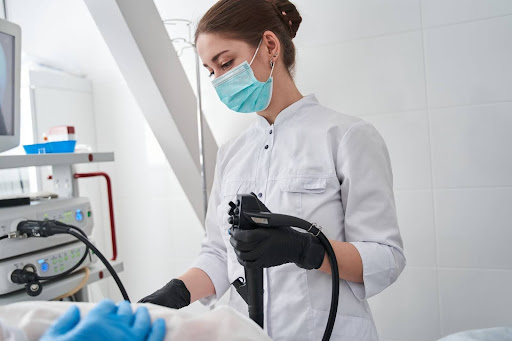
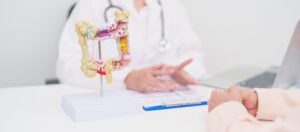
A colonoscopy is a medical procedure that allows a doctor to examine the inner lining of your large intestine (rectum and colon). It involves the use of a thin, flexible tube called a colonoscope, which has a small camera attached at the end. This device is inserted into the rectum and gently guided along the colon, transmitting images to a screen for the doctor to review. The procedure is crucial in detecting early signs of colorectal cancer and diagnosing other colon-related diseases.
Preparing for Your Colonoscopy: The Vital Steps
Preparing for a colonoscopy procedure is as important as the procedure itself, as the bowel needs to be clean to provide the most accurate results. Preparation usually begins a few days before the procedure. Your doctor will provide instructions, typically including a special diet and the use of bowel-cleansing substances.
The diet consists of clear liquids, such as broths, juices, and jello, but red and purple-colored foods should be avoided, as they can be mistaken for blood. Solid foods, dairy products, and alcoholic beverages must be avoided a day before your procedure.
As for bowel cleansing, doctors usually prescribe a colonoscopy prep for the night before and the morning of the procedure. This will cause diarrhea, effectively emptying the colon. Remember to stay hydrated during this process. It is essential to follow these steps meticulously, as any residual material in the colon can obscure the view, making it difficult for the doctor to assess your condition accurately.
The Clear Liquid Diet: What to Eat and What to Avoid
The clear liquid diet, as part of your colonoscopy or bowel prep kit, requires careful selection of your food and drink intake. The primary objective is to keep your colon clean, and thus, the substances you consume should not leave any residues in your intestines.
What to Eat: Clear broths (beef, chicken, or vegetable) without any solid ingredients are highly recommended. You may also consume clear juices such as apple or white grape juice. Clear, colorless soft drinks or sports drinks can also be included.
What to Avoid: Any liquids that are red or purple in color should be completely avoided, as they could mimic or obscure signs of internal bleeding. Dairy products like milk, cream, or regular or soy yogurt should also be avoided. Despite being liquid, these foods are not ‘clear’ and can leave residues in your colon.
Remember, this diet should only be followed as part of your colonoscopy preparation and not for extended periods. If you have any doubts or your body reacts negatively, immediately consult your healthcare provider.
Bowel Prep: Tips for a Successful Cleanse
Your bowel must be thoroughly cleansed to make your colonoscopy as effective as possible. Here are some tips to help you successfully prepare your bowel for the procedure:
- Start early: Don’t wait until the last minute to begin your prep. Start the bowel preparation process as per your doctor’s instructions, which can be a few days before the procedure.
- Hydrate, hydrate, hydrate: Since the bowel prep procedure can cause dehydration, it’s important to drink plenty of fluids. This will also help flush out your system.
- Stick to the diet: Follow the clear liquid diet strictly. Remember, anything that is red or purple or contains dairy should be avoided.
- Use the prescribed laxative: This is a key part of the cleanse. Take it as instructed by your doctor, usually the night before the procedure.
Polyethylene glycol (PEG) is an osmotic laxative typically used in bowel preparation procedures like colonoscopy. It works by retaining water in the stool, stimulating bowel movements, and leading to a thorough colon cleansing. PEG solutions are often mixed with electrolytes to balance salt and water in your body and prevent dehydration during the bowel prep.
- Be patient: Bowel cleansing is not the most pleasant experience. It will take time, but remember that it’s a crucial step to ensure accurate results from your colonoscopy.
- Stay close to a bathroom: Once you start the bowel prep, you’ll need to use the bathroom frequently. Make sure you have easy and quick access to a toilet.
- Ask for help if needed: If you’re struggling with the prep or have any questions, don’t hesitate to reach out to your healthcare provider.
Remember, proper bowel preparation can greatly enhance the success of your colonoscopy and the accuracy of its results.
Recovery After a Colonoscopy: What’s Next?
Following the colonoscopy, you will be allowed to rest until the effects of the sedatives have worn off. You may feel cramping or bloating because of the air introduced into the colon during the examination. This should disappear quickly when you pass gas. After the exam, if you pass blood or blood clots, experience abdominal pain or have a fever, contact your doctor immediately.
You will need someone to take you home after the colonoscopy because it can take up to a day for the full effects of the sedative to wear off. Don’t drive or operate machinery during this time. Eat and drink normally unless you are advised to follow a special diet by your doctor. You should be able to return to your regular activities the next day.
Your doctor will explain the examination results to you, although you’ll probably have to wait for the results of any biopsies performed. If polyps were removed during your colonoscopy, your doctor might recommend a follow-up colonoscopy to see if any more polyps have formed, to see if the polyps have grown back and to screen you more closely.
Remember, colonoscopy is a preventive measure for colorectal cancer. Regular screenings can help detect abnormalities or changes in the colon and rectum before they develop into serious conditions, and the procedure is an essential part of maintaining your health as you age.
Potential Risks and Complications to Be Aware Of
Every medical procedure, including a colonoscopy, has potential risks and complications that you should be aware of.
- Bleeding: One of the most common complications associated with a colonoscopy, particularly if a biopsy is performed or a polyp is removed. While minor bleeding might stop on its own or can be easily controlled, severe cases might require follow-up treatment.
- Perforation: Though rare, there is a small risk that the colonoscope could create a tear in the colon or rectum. This can lead to a serious infection and typically requires surgery to repair.
- Reaction to Sedative: Some people may have an adverse reaction to the sedative used during the procedure. This can include nausea, vomiting, low blood pressure or heart problems.
- Incomplete Examination: Sometimes, the entire colon can’t be fully examined due to sharp turns or blockages in the colon or rectum. In such cases, a repeat colonoscopy or alternative examination might be needed.
- Postpolypectomy Syndrome: A rare complication that occurs after polyp removal, it mimics the symptoms of a perforation but doesn’t involve an actual tear. Symptoms can include fever, abdominal pain, and an elevated white blood cell count.
- Missed Polyps or Tumors: Even with a successful colonoscopy, it’s possible for small polyps or flat tumors to be missed. Regular screenings ensure that abnormalities are detected as early as possible.
Remember, while these risks may seem alarming, complications from colonoscopies are rare, and the benefits of the procedure typically outweigh the risks. If you experience any persistent pain, bleeding, or fever after your colonoscopy, or if you are concerned about any other potential symptoms, do not hesitate to contact your healthcare provider immediately.
When to Talk to Your Doctor
It’s important to maintain open communication with your healthcare provider before and after your colonoscopy procedure. If you have any underlying health conditions, are on any medications, or have allergies, make sure your doctor knows them before the procedure. This will help them anticipate and manage any potential complications.
After a successful colonoscopy, don’t hesitate to contact your doctor if you experience significant discomfort, heavy bleeding, or have a persistent fever. These could be signs of a complication that needs to be addressed promptly. Moreover, if you have any questions about the procedure, results, or the recovery process, your doctor should be your primary source of information. Your health and well-being are paramount, and your doctor supports you.