Could Abdominal Pain Be an Onset of GERD?
GERD (gastroesophageal reflux disease) is one of the most commonly diagnosed digestive disorders in the US. It affects 20% of all Americans of all ages, from newborns to older adults. One of the tell-tale signs of GERD is abdominal pain accompanied by the taste of stomach fluid in the back of your throat.
Abdominal pain is a symptom of many problems. The discomfort can be caused by an infection, constipation, a kidney stone, appendicitis, or cancer. So how do you know if you have abdominal pain and GERD or something else? Read on as we learn more about abdominal pain and GERD.
About Abdominal Pain and GERD
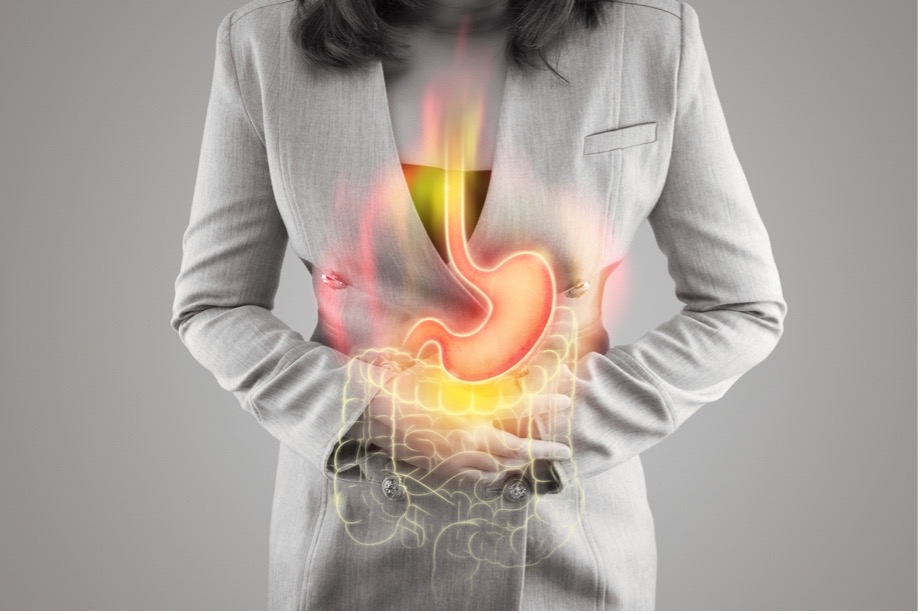
Gastroesophageal reflux disease (GERD) is a prevalent chronic condition. It occurs when stomach acid regurgitates into the esophagus. This is caused by a loose lower esophageal sphincter (LES) that allows stomach acid to flow back up the throat. As this happens, there’s inflammation and irritation of the lining of the esophagus, and one may experience abdominal pain, which varies in severity and location.
The pain ranges from a dull ache to a sharp or burning sensation. The pain is often felt in the mid-chest or upper middle of your abdomen (or epigastric region). Some people with abdominal pain and GERD may experience this discomfort after eating spicy foods, fatty meals, or drinking alcohol.
GERD is classified into three types:
- Erosive reflux disease (NERD)
- Erosive esophagitis (EE)
- Barrett esophagus (BE)
The symptoms are almost similar in each type. The main difference is the severity of symptoms which is dictated by several factors, including:
- Frequency and severity of acid reflux
- The extent of inflammation to the esophagus
- Taking medications that further irritate the stomach
Other symptoms of GERD
In addition to abdominal pain, the most common symptoms of GERD include the following:
- Heartburn: The burning sensation caused by acid “refluxing” up into the throat or mouth. It may worsen after eating, lying down, or bending over and occurs two or more times a week.
- Chest pain: A sharp, burning, or pressure-like sensation in the chest that can be mistaken for a heart attack. The pain often radiates to the neck and shoulders.
- Regurgitation: Stomach acid or other contents return to the throat after a meal. It is often accompanied by belching and a sour taste in the back of the throat.
- Chronic dry cough: A persistent reflux-related cough that gets worse at night.
- Difficulty swallowing (dysphagia): A feeling of food getting stuck in the throat or chest during or after eating.
- Nausea or vomiting: Feeling queasy may lead to vomiting in some cases. It is worse when lying down or bending over.
- Hoarseness: A sign of laryngitis or esophageal spasms from chronic irritation from refluxed acid.
Is GERD stomach pain serious?
The severity of GERD (gastroesophageal reflux disease) and stomach pain varies from person to person. In some cases, GERD-related stomach pain is mild and occasional but can be more severe and persistent in others, significantly impacting the quality of life.
While GERD-related stomach pain is not typically considered a medical emergency, it can worsen symptoms if ignored. In some cases, GERD can lead to complications such as inflammation, ulcers, bleeding, scarring, and narrowing of the esophagus. If left untreated, one develops the severest type of GERD, Barrett’s esophagus, which puts one at high risk of esophageal cancer.
How is GERD-related stomach pain treated?
Early diagnosis and appropriate treatment of GERD-related stomach pain help improve quality of life and reduce morbidity. The goal is to reduce the amount of stomach acid that flows back into the esophagus, relieve symptoms, and prevent complications. GERD-related stomach pain is typically treated with a combination of lifestyle changes, medications, and in some cases, surgery.
Lifestyle changes
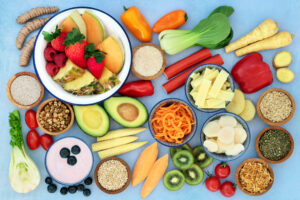
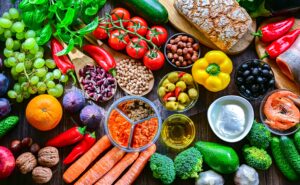
Specific lifestyle changes help reduce the frequency and severity of GERD symptoms. These include avoiding trigger foods (such as spicy or fatty foods), losing weight, quitting smoking, and avoiding eating large meals in one sitting.
Medications
The physician prescribes medications that reduce the amount of acid in the stomach to relieve GERD-related stomach pain. Antacids are known to provide quick relief by neutralizing stomach acid. On the other hand, H2 receptor blockers reduce the amount of acid produced by the stomach, while proton pump inhibitors block the production of stomach acid altogether. Some of these medications are available over the counter.
Surgery
In some cases, surgery is recommended to treat GERD-related stomach pain. Fundoplication is a surgical procedure that involves wrapping the upper part of the stomach around the lower esophagus to create a tighter barrier between the stomach and esophagus, preventing acid reflux.
What can you do to prevent GERD stomach pain?
There are several things you can do to prevent GERD-related stomach pain. Here are some tips:
- Maintain a healthy weight: Being overweight or obese can increase the pressure on the stomach, causing acid to flow back into the esophagus. Maintaining a healthy weight through diet and exercise can reduce this pressure and relieve the frequency and severity of GERD symptoms.
- Eat smaller meals: Eating large meals leads to higher production of stomach acid. Try eating smaller, more frequent meals throughout the day to reduce the amount of acid produced by the stomach.
- Avoid trigger foods: Certain foods alleviate GERD symptoms, such as acidic or spicy foods, chocolate, alcohol, and caffeine. You must identify your trigger foods and avoid them as much as possible.
- Avoid lying down after eating: Lying down after a meal makes it easier for stomach acid to flow back into the esophagus, increasing the risk of acid reflux. Wait at least 2-3 hours after eating before lying down.
- Elevate your head when sleeping: Raising the head of your bed or using a wedge pillow effectively prevents stomach acid from flowing back into the esophagus while you sleep.
- Quit smoking: Smoking relaxes the lower esophageal sphincter (LES), the muscle that controls the flow of stomach acid into the esophagus.
- Avoid tight clothing: Tight-fitting clothing, especially around the waist, applies pressure on the stomach, causing acid to flow back into the esophagus. Wear loose-fitting clothing to reduce this pressure.
- Manage stress: Stress can worsen GERD symptoms by increasing stomach acid production. Practice stress-reducing techniques like meditation, yoga, or deep breathing exercises.
The Bottom Line
GERD-related is a chronic condition that occurs when stomach acid regurgitates into the esophagus, causing inflammation and irritation of the lining of the esophagus. It is characterized by abdominal pain alongside other common symptoms such as heartburn, regurgitation, chronic dry cough, difficulty swallowing, nausea, vomiting, and hoarseness. While GERD-related stomach pain isn’t a medical emergency, it can lead to esophageal cancer if left untreated. Treatment includes lifestyle changes, medications, and in some cases, surgery.
If you are experiencing GERD-related stomach pain, seeking treatment from a doctor is crucial. We provide various treatment options for GERD-related stomach pain. Contact us today to identify the best course of treatment that meets your specific needs.