How Do I Restore My Gut Health?
Restoring gut health involves a multi-faceted approach focusing on diet, lifestyle changes, and sometimes medical intervention. A balanced diet of fiber, fruits, vegetables, and fermented foods supports a healthy gut, promoting beneficial bacteria growth. Whole grains, legumes, and leafy greens are excellent fiber sources that aid digestion and help maintain a diverse gut microbiome. Incorporating fermented foods such as yogurt, kefir, sauerkraut, and kimchi can introduce beneficial probiotics into the digestive system, bolstering gut health.
In addition to dietary changes, regular physical activity can positively impact gut health by promoting efficient digestion and reducing inflammation. Stress management techniques such as meditation, yoga, and adequate sleep are also crucial, as chronic stress can disrupt the balance of bacteria in the gut. Unless necessary, limiting the intake of ultra-processed foods, artificial sweeteners, and antibiotics can prevent disruption to the gut microbiome.
For individuals experiencing significant digestive issues, consulting with a healthcare provider is essential. They may recommend specific probiotic supplements or treatments tailored to address unique gut health concerns. Regular screening and monitoring can help identify and manage potential issues early, improving overall health.
What Foods Help Repair Your Gut?
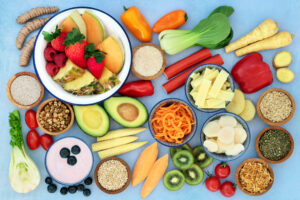
Certain foods can help repair and maintain a healthy gut by promoting a balanced microbiome, reducing inflammation, and supporting the integrity of the gut lining. Here are some gut-healing foods you might want to include in your diet:
Fermented Foods (Probiotics) – These contain beneficial bacteria (probiotics) that help populate the gut with good bacteria, improving digestion and reducing gut inflammation.
- Yogurt (with live, active cultures), Kefir, Sauerkraut, Kimchi, Miso, Kombucha
Prebiotic Foods – Prebiotic fibers feed beneficial gut bacteria, helping them grow and thrive.
- Garlic, Onions, Leeks, Asparagus, Bananas, Artichokes
High-Fiber Foods- Fiber feeds beneficial bacteria and helps maintain regular bowel movements, which are important for gut health.
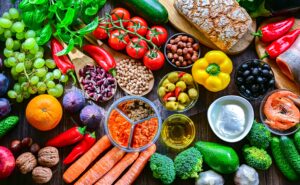
- Vegetables (leafy greens, carrots, cucumbers), Fruits (apples, pears, berries), Legumes (beans, lentils, chickpeas), Whole grains (quinoa, oats)
Omega-3 Fatty Acids – Omega-3s have anti-inflammatory properties that can help reduce gut inflammation and support overall digestive health.
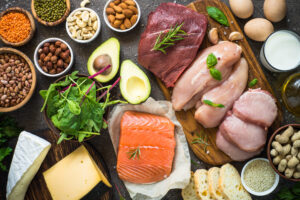
- Fatty fish (salmon, mackerel, sardines), Chia seeds, Flaxseeds, Walnuts
Collagen-Rich Foods – Collagen can help repair and maintain the gut lining and reduce inflammation.
Bitter Greens – These can stimulate digestive juices, improving digestion and nutrient absorption, which is crucial for gut health.
- Dandelion greens, Arugula, Swiss chard
Anti-inflammatory Foods – These help reduce gut inflammation and can assist in the repair process.
- Berries (blueberries, strawberries, raspberries), Olive oil
These help reduce gut inflammation and can assist in the repair process.
Incorporating these foods into a balanced diet can support your gut health by promoting a healthy microbiome and reducing inflammation in the digestive tract.
What Are Drinks Best for Gut Health?
Maintaining gut health isn’t just about what you eat; what you drink also plays a crucial role. Certain beverages can significantly benefit your digestive system by introducing helpful bacteria, improving digestion, and reducing inflammation. Improving gut health is key for overall well-being, and several drinks can support a healthy gut microbiome. Here are some drinks for promoting gut health:
Kefir – a fermented dairy or non-dairy drink loaded with probiotics. It is one of the most potent sources of beneficial bacteria for gut health. It contains several strains of probiotics that support digestion and reduce inflammation.
Kombucha – fizzy, fermented tea rich in probiotics, antioxidants, and organic acids that promote a balanced gut microbiome. It may help with digestion, improve liver function, and enhance overall gut health.
Bone Broth – rich in collagen, gelatin, and amino acids like glutamine, which help strengthen the gut lining, repair the digestive tract, and reduce inflammation.
Ginger Tea – known for its soothing effects on the digestive system. It can reduce bloating, indigestion, and inflammation and may even promote the growth of healthy gut bacteria.
Green Tea – Rich in polyphenols and antioxidants, green tea supports gut health by promoting the growth of beneficial bacteria and reducing harmful bacteria. Its anti-inflammatory properties also help maintain gut balance.
Apple Cider Vinegar (ACV) Drink – helps with digestion by increasing stomach acid production, which aids in the breakdown of food and enhances nutrient absorption. ACV also contains prebiotics, which feed beneficial gut bacteria.
Herbal Teas (Peppermint, Chamomile) – great for soothing the digestive system. Peppermint can relieve symptoms of IBS, while chamomile reduces inflammation and calms the stomach.
Aloe Vera Juice – anti-inflammatory and soothing properties that benefit gut health. It can help with digestion, relieve constipation, and maintain the balance of gut bacteria.
Water with Lemon – Staying hydrated is crucial for digestion, and adding lemon to water can stimulate the production of digestive enzymes. Lemon water may also promote detoxification and support the liver.
Buttermilk (Traditional) – is an excellent source of probiotics and supports digestion, especially in traditional cuisines.
Incorporating these drinks into your diet can enhance your gut microbiome and improve overall digestive health. Remember to avoid excess sugar, which can negatively affect gut bacteria.
Which Foods Should I Limit for Gut Health?
To maintain good gut health, limiting certain foods can negatively affect the gut microbiome and digestion, which is essential. Here are some key categories of foods to limit:
Processed and Sugary Foods – Processed foods contain artificial ingredients, additives, and preservatives that can disrupt the balance of bacteria in the gut. Sugary foods feed harmful bacteria, leading to an imbalance in the microbiome.
- Sugary snacks and drinks, Processed foods, Artificial sweeteners
Refined Carbohydrates – Refined carbs like white bread, pasta, and rice lack fiber and can cause spikes in blood sugar levels, leading to inflammation in the gut.
- White bread, pasta, rice, pastries, and baked goods
Fried and Fatty Foods – These can contribute to inflammation in the digestive system and may increase the risk of developing gut disorders like IBS and Crohn’s disease.
- Deep-fried foods and Trans fats
Dairy Products (for some people) – If you are lactose intolerant or sensitive to dairy, these can cause bloating, gas, and diarrhea.
Red and Processed Meats – High consumption of red and processed meats has been linked to inflammation in the gut, increasing the risk of digestive disorders and colorectal cancer.
- Red meat and Processed meats
Alcohol – Excessive alcohol intake can damage the gut lining and promote the growth of harmful bacteria.
Gluten (for sensitive individuals) – People with celiac disease or gluten sensitivity may experience gut inflammation and discomfort after consuming gluten.
High-Fructose Foods – Foods high in fructose can lead to bloating, cramping, and diarrhea in people with IBS or other digestive issues.
- Sodas and sweetened beverages, and certain fruits in large amounts
Spicy Foods – These can irritate the digestive system and lead to discomfort for people with sensitive stomachs. Moderation is key.
Carbonated Drinks – These can cause gas and bloating, leading to discomfort for those with digestive issues.
You can support better gut health by reducing or avoiding these foods and focusing on gut-friendly alternatives like fiber-rich vegetables, fermented foods, and lean proteins.
How Long Does it Take to Rebuild Gut Health?
The timeframe for rebuilding gut health varies depending on several factors, including the extent of imbalance, dietary and lifestyle changes, and individual body responses. Generally, improvements can be observed within a few weeks if significant modifications are made to diet and lifestyle. For instance, introducing probiotic-rich foods and high-fiber foods can positively affect the gut microbiome relatively quickly.
However, achieving substantial, long-term changes in gut health often takes several months. Consistency in maintaining a gut-friendly diet, regular physical activity, effective stress management, and avoiding gut-disruptive substances is crucial for sustained improvement. In cases where severe gut health issues are present, it may take six months to a year or more to fully restore optimal gut function, often under the guidance of a healthcare professional.
When to Talk to Your Doctor
Knowing when to seek medical advice about gut health issues is crucial for timely and effective management. Suppose you experience persistent or severe symptoms such as unexplained weight loss, chronic diarrhea or constipation, blood in your stool, or severe abdominal pain. In that case, it’s essential to consult a healthcare professional. These symptoms could indicate more severe conditions such as inflammatory bowel disease (IBD), irritable bowel syndrome (IBS), or even gastrointestinal cancers.
Additionally, if over-the-counter treatments or dietary changes fail to improve your gut health, a doctor can provide a more comprehensive assessment and recommend appropriate interventions. Regular check-ups and screenings are also advisable, especially if you have a family history of gastrointestinal disorders. Proactively communicating openly with your healthcare provider can improve outcomes and peace of mind.
Getting your gut to a healthy state is not an easy journey and we do not want you to do it alone., Please contact the experts at Allied Digestive Health, and let us partner with you.