What’s the Difference Between Ulcerative Colitis and Crohn’s Disease?
Ulcerative colitis and Crohn’s disease are two types of inflammatory bowel diseases (IBD) that affect the digestive tract. IBD is a chronic condition, meaning it lasts for a long time or even life-long. These conditions cause inflammation in the lining of the colon, leading to symptoms such as abdominal pain, diarrhea, and rectal bleeding.
What’s the Difference Between Ulcerative Colitis and Crohn’s Disease?
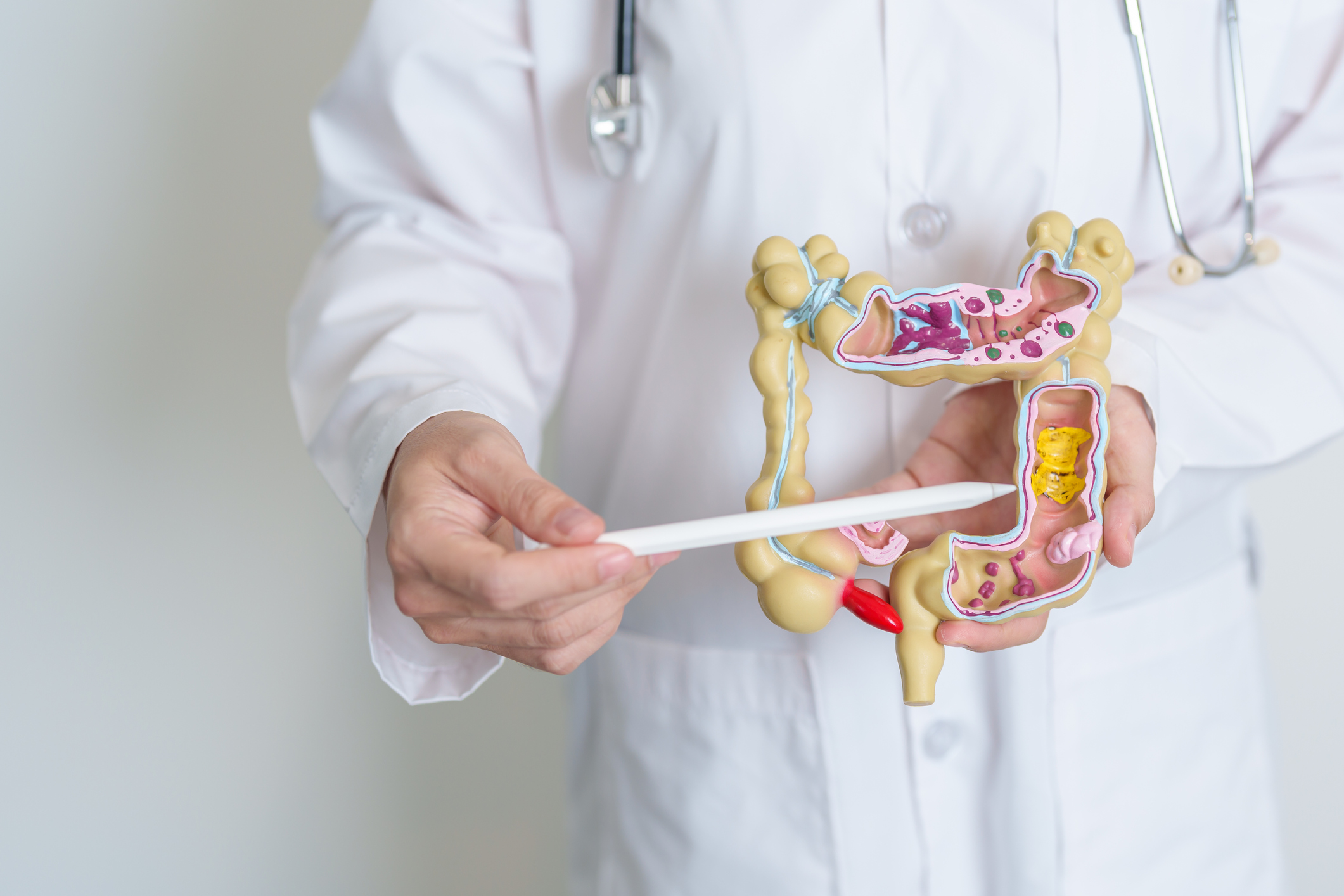
Although Ulcerative Colitis and Crohn’s Disease share similarities as IBD conditions, they exhibit key differences. Ulcerative Colitis primarily affects the colon (large intestine) and the rectum, whereas Crohn’s Disease can affect any part of the GI tract, from the mouth to the anus.
Additionally, the inflammation caused by Ulcerative Colitis is typically continuous and only involves the innermost layer of the intestinal wall; in contrast, Crohn’s Disease can cause patchy, ‘skip lesions’ inflammation that may involve multiple layers of the intestinal wall. Understanding these differences is crucial for accurate diagnosis and treatment.
UC and Crohn’s: How Are They Different?
The main differences between Ulcerative Colitis and Crohn’s Disease include:
- Location of Inflammation: As mentioned, UC affects only the colon and rectum, while Crohn’s can affect any part of the GI tract. This can also impact the types of symptoms experienced; for example, people with Crohn’s may experience mouth ulcers or anal fissures, which are not common in UC.
- Extent of Inflammation: While UC typically involves continuous inflammation in the colon and rectum, Crohn’s can cause patchy lesions that skip areas of healthy tissue. This can make diagnosing Crohn’s more challenging as it may resemble other digestive conditions.
- Depth of Inflammation: The inflammation caused by UC is usually limited to the innermost layer of the intestinal wall, while Crohn’s can involve multiple layers. This can lead to complications such as fistulas and strictures.
- Age of Onset: While UC is most commonly diagnosed in people between 15-30 years old, Crohn’s Disease can occur at any age. Children and young adults are also at risk for developing these conditions.
Both Ulcerative Colitis (UC) and Crohn’s Disease can affect men and women alike. Research suggests no significant gender differences in the prevalence of these inflammatory bowel diseases. However, some studies point out that symptoms and disease progression may vary between genders due to hormonal and genetic factors.
These variations might influence the diagnosis, management, and treatment outcomes. Thus, while UC and Crohn’s Disease do not discriminate between genders, the experience of the disease might slightly vary for men and women.
Symptoms that Distinguish UC from Crohn’s
Let’s also illustrate the differences between symptoms of Ulcerative Colitis and Crohn’s disease.
Ulcerative Colitis manifests via a distinct set of symptoms. Here’s a list to consider:
- Persistent diarrhea, often with blood or pus
- Abdominal pain and cramping
- Rectal pain and bleeding
- Urgency to defecate
- Inability to defecate despite urgency
- Weight loss
- Fatigue
- Fever
- Failure to grow in children
In contrast to Ulcerative Colitis, Crohn’s Disease exhibits a unique symptom profile. Here are some common symptoms associated with Crohn’s Disease:
- Diarrhea
- Abdominal pain and cramping, often in the lower right area
- Blood in the stool, which might not be visible
- Ulcers that may occur anywhere from the mouth to the anus
- Reduced appetite and weight loss
- Inflammation of skin, eyes, and joints
- Inflammation of the bile ducts or liver
- Delayed growth or sexual development, in children.
The risk factors for both conditions overlap significantly, including family history, smoking, and possibly diet and stress. However, certain autoimmune conditions appear to have a stronger link with UC, while Crohn’s seems to be more common in people who smoke. Treatment for both conditions typically involves medication to manage inflammation and symptoms, but the specific drugs used may vary.
UC can often be managed with anti-inflammatory drugs and immunosuppressants, whereas Crohn’s may also require antibiotics due to the risk of fistulas. Sometimes, surgery may be necessary in severe cases of either condition. This further underlines the importance of distinguishing between these two forms of IBD for optimal patient care.
Managing Ulcerative Colitis and Crohn’s Disease
Management of Ulcerative Colitis (UC) and Crohn’s Disease requires an individualized approach, with treatment plans often being unique to each patient. The primary aim in managing these conditions is to induce and maintain remission – to reduce inflammation and alleviate symptoms. This is often achieved through a combination of medication, dietary modifications, and in some cases, surgery.
Medications used vary depending on the severity of the condition and the patient’s response to treatment. They may include anti-inflammatory drugs such as aminosalicylates for mild to moderate UC, corticosteroids for reducing inflammation in both conditions, and immunosuppressants or biologic agents for moderate to severe cases. For Crohn’s disease, antibiotics may also be prescribed due to the risk of fistulas and abscesses.
Dietary modifications are also essential in managing both UC and Crohn’s disease. While there’s no specific diet that works for everyone, certain foods and drinks can exacerbate symptoms. These may include high-fiber foods, spicy foods, caffeine, and alcohol. It’s often recommended to keep a food diary to identify potential triggers.
Physical activity can also help manage symptoms and improve overall health. However, it’s important to consult with a healthcare provider before starting any new exercise regimen.
In cases where medications and lifestyle changes are not enough, surgery may be required. Surgical options for UC include removing the entire colon and rectum. For Crohn’s Disease, surgery may involve removing damaged portions of the digestive tract.
Remember, regular follow-ups with your healthcare provider are essential to monitor your condition and adjust treatment as necessary. It’s also important to communicate openly about any new symptoms or changes in your condition. It’s possible to lead a full life with UC or Crohn’s Disease with the right management and care.
Dietary Choices with Ulcerative Colitis and Crohn’s Disease
When living with Ulcerative Colitis (UC) or Crohn’s Disease, dietary choices can significantly impact symptom management and overall quality of life. It’s vital to remember that what works for one person may not work for another, and thus, individualized diet plans are often the most effective.
For many, a low-residue or low-fiber diet can help reduce the frequency of bowel movements and abdominal discomfort. This might include foods like white bread, pasta, lean meats, and cooked vegetables. Hydration is also crucial, so intake of water and other non-caffeinated fluids should be maintained.
Some individuals might struggle with dairy products, which can worsen diarrhea and gas. If this is the case, lactose-free alternatives or lactase supplements can be considered. Spicy foods and alcohol may also exacerbate symptoms for some people and should be consumed in moderation or avoided.
It’s also important to note that during a flare, dietary needs may change. Consuming easily digestible or bland foods can help during these times. Equally important is ensuring nutritional needs are met, which might necessitate the use of vitamin and mineral supplements, especially if certain food groups are being avoided.
Keep in mind that the guidance of a dietitian or nutritionist can prove invaluable in navigating dietary choices with UC or Crohn’s. Regular consultations can aid in establishing a dietary plan suited to individual needs, preferences, and lifestyle. As always, any significant dietary changes should be made in consultation with your healthcare provider.
Complications and Risks Associated with Ulcerative Colitis and Crohn’s Disease
Both Ulcerative Colitis (UC) and Crohn’s disease, while primarily affecting the digestive system, can lead to numerous complications both within and outside the gastrointestinal tract.
In the digestive system, prolonged inflammation can result in stricture formation, where parts of the bowel or colon become narrow, causing difficulties in food passage. Additionally, severe and prolonged inflammation can also lead to colorectal cancer in both UC and Crohn’s disease patients, which is why regular screenings are recommended.
Crohn’s disease can lead to the formation of fistulas, abnormal connections between different parts of the bowel or between the bowel and other organs. This can result in abscess formation and increased risk of infection, sometimes necessitating surgical intervention.
Outside the digestive system, both UC and Crohn’s disease can lead to complications such as arthritis, skin problems, inflammation in the eyes, and liver disease. Patients may also experience anemia due to blood loss in stools or malnutrition due to poor absorption of nutrients.
These potential complications underline the importance of regular medical check-ups, early symptom identification, and prompt treatment adjustment as necessary. Remember, managing these conditions is not merely about symptom control but also about preventing serious complications, thereby protecting overall health and well-being.
When to Talk to Your Doctor
It’s crucial for individuals with Ulcerative Colitis (UC) or Crohn’s disease to maintain open communication with their healthcare provider. Should you notice any new or worsening symptoms, such as increased frequency or severity of diarrhea, blood in stool, persistent abdominal pain, unexplained weight loss, or signs of dehydration like dizziness and fatigue, it’s important to seek medical attention promptly.
Similarly, if you experience side effects related to your medication, or notice changes in your general well-being, such as mood alterations, sleep disturbances, or reduced energy levels, these should also be discussed with your doctor.
Lastly, regular appointments for check-ups and screenings are essential, even during periods of remission. Remember, proactive and timely communication with your healthcare provider can aid in effective disease management and help improve your overall quality of life.