



Perhaps you’ve just developed gastritis, or maybe you’ve been battling it for a while. Regardless of what you’ve been dealing with in your digestive system, chances are you’ve pondered what foods and drinks can affect your body and in what way. Specifically, many coffee drinkers have probably wondered, “Can coffee cause gastritis?”. If you’ve been drinking coffee for years and wondered if coffee can cause gastritis, you’re not alone. Read on to learn about how coffee can affect the inflammation of the stomach – if you can’t say no to that morning cup of coffee – which type of coffee might be right for you and your digestive system.
Gastritis is defined as the irritation or inflammation of the stomach. The word ‘gastritis’ is actually a general term covering a wide variety of symptoms. It can range from nausea to abdominal pain to vomiting, hiccups, indigestion, loss of appetite, and upset stomach. While gastritis may be caused by bacteria in the lining of the stomach, bile reflux, or another type of infection, it may also be caused by the use of anti-inflammatory drugs (such as aspirin), chronic vomiting, or drinking too much alcohol.
There are two main types of gastritis: erosive and non-erosive gastritis. The former is characterized by the erosion of the stomach’s protective lining, whereas the latter inflames the stomach without eroding its lining. Regardless of which type of gastritis you may have, it is important to contact your medical provider for medical advice if you begin showing symptoms of gastritis. It can lead to the development of ulcers or even stomach cancer
Can coffee cause gastritis? According to most medical evidence, it can certainly worsen it. Some people just can’t function without their morning cup of coffee. It might be bad news for people suffering from gastritis and other stomach conditions. Coffee affects the stomach strongly due to its presence of caffeine and being an acidic beverage. This happens for two major reasons:
First, coffee, as well as other caffeinated beverages, can affect the stomach strongly because they contain caffeine. Caffeine has been shown to cause frequent contractions in the digestive tract. It can also increase stomach acidity by triggering the production of more gastric acid. The caffeine content in a single cup of coffee is enough to have a major effect on someone’s gastrointestinal system.
Second, coffee and coffee drinks are acidic beverages. Drinking coffee may increase the acid levels in your stomach or gastrointestinal tract, which can lead to inflammation of the stomach. Although some researchers disagree on the extent to which acid coffee can affect the lining of the stomach, if you’re dealing with a sensitive stomach, it may be prudent to avoid coffee.
Because caffeine can affect your body dramatically, those suffering from gastritis or other GI issues may find it necessary to switch to decaffeinated coffee. Although decaf still contains coffee acids, it does not contain caffeine. It means that decaf doesn’t stimulate the lower gut nearly as much as fully caffeinated coffee. Switching to decaf may be an easy change for a lover of acidic beverages to make in order to reduce the severity of their gastritis symptoms.
Additionally, coffee lovers may find it wise to switch from one type of coffee to another. Because many types of coffee are high in acid, it may be wise to switch to a low-acid coffee. For example, light roast coffees, as well as coffees made from Arabica beans, tend to be high in acid. Switching to a low-acid coffee, such as a dark roast coffee, may help decrease levels of gastric acid and have less of a dramatic impact on your digestive system. Even cutting down on the quantity of coffee you drink daily. However, decreasing from a few cups every day to merely one or two can help decrease stomach acidity.
Finally, additives can also cause digestive problems. If you’re sensitive to dairy or prone to Irritable Bowel Syndrome (IBS), consider cutting dairy milk or creamer out of your coffee. Switching to a nondairy creamer, such as soy milk, almond milk, or oat milk, can help reduce general gastric discomfort. Ensure that gastric acid levels remain low, and make drinking coffee as low-risk as possible.
The bottom line? If you’re dealing with gastritis, switching to a decaffeinated, low-acid roast with nondairy creamer may be the easiest way to enjoy your morning cup of coffee – without all the negative effects that can come with gastritis.
If you’re battling gastritis, there are other dietary changes that can help. Highly acidic foods, as well as spicy and fried foods, have been shown to negatively affect digestive systems by increasing stomach acidity and causing inflammation of the stomach. In contrast, low-acid, high-fiber foods, such as fruits, vegetables, and whole grains, tend to cause less inflammation. Beans are also a great choice for anyone looking to consume more fiber and less acid. Furthermore, low-fat foods, such as fish and vegetables, are good options for foods that can be easily digested without causing further inflammation.
If you’ve been diagnosed with gastritis, or you’re worried about inflaming or eroding the lining of your stomach, simple fixes can make a big difference. Prioritizing low-acid, high-fiber foods is a great way to ensure gastrointestinal health. Consider swapping out a cup of highly acidic, caffeinated coffee for a few glasses of different fruit juices, or replace red meat with fish a few nights a week. Your stomach will thank you.
If you’re wondering if coffee can cause gastritis, the evidence is clear. The caffeine and acid in a cup of coffee make it capable of causing inflammation of the stomach. Don’t worry about developing or worsening gastritis. Contact our medical professionals today to learn more about how Allied Digestive Health can help.


If you have ulcerative colitis, you may have heard that it can raise your risk of colorectal cancer, and that can be worrying to think about. The reassuring reality is that most people with ulcerative colitis never develop colorectal cancer, and the tools to manage that risk are effective and well established

The abdominal pain and cramping of irritable bowel syndrome (IBS) can range from a nagging ache to a flare that stops you in your tracks. If you are searching for how to relieve IBS pain, the encouraging news is that there are both quick comfort measures for the moment and longer-term strategies that can reduce how often flares happen at all.

That tight, swollen, uncomfortable feeling that shows up after eating is one of the most common digestive complaints, and it can turn an enjoyable meal into hours of discomfort. The good news is that post-meal bloating is often very manageable once you understand what causes it.

For people living with irritable bowel syndrome (IBS), food can feel like a minefield, with meals sometimes triggering abdominal pain, bloating, and unpredictable bowel habits. A structured elimination diet is one of the most evidence-supported ways to identify which foods drive those symptoms.

Your stool can reveal a surprising amount about your digestive health, and paying attention to it is one of the simplest ways to catch a problem early. While most changes in bowel habits are caused by diet, stress, or minor conditions, certain stool changes can be warning signs of colorectal cancer, one of the most common and most preventable cancers.

Protein is essential for energy, muscle, and overall health, but for people with irritable bowel syndrome (IBS), how you get that protein can make the difference between a comfortable day and a flare.

If you have ever felt queasy during a bout of constipation, you are not imagining the connection. While constipation is usually thought of as a lower-digestive problem, it can also leave you feeling sick to your stomach, especially when it is severe or long-lasting.

Stomach ulcers, also known as peptic ulcers, are painful sores that develop in the lining of the stomach or the first part of the small intestine. These ulcers can cause significant discomfort and lead to serious complications if left untreated. Understanding the signs and symptoms of stomach ulcers is crucial for early detection and effective management.
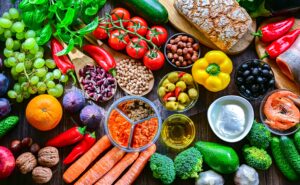
A low-carb diet may offer relief for those struggling with irritable bowel syndrome (IBS), a condition characterized by abdominal pain and altered bowel habits. While many individuals seek dietary solutions to manage IBS symptoms, understanding the role of carbohydrates is crucial.

GERD, or gastroesophageal reflux disease, is a prevalent condition affecting millions worldwide. Characterized by chronic symptoms like heartburn and acid reflux, GERD can lead to significant health complications if left untreated.

Constipation is a common challenge for those with irritable bowel syndrome (IBS), particularly the IBS-C subtype. This condition affects millions globally, significantly impacting daily life. Understanding how to manage constipation effectively can improve quality of life for those struggling with IBS.

Please call our office to schedule an appointment.
Dr. Anu Sampat: (718) 227-1282