
Five Steps to Taking Care of Your Gut Microbiome

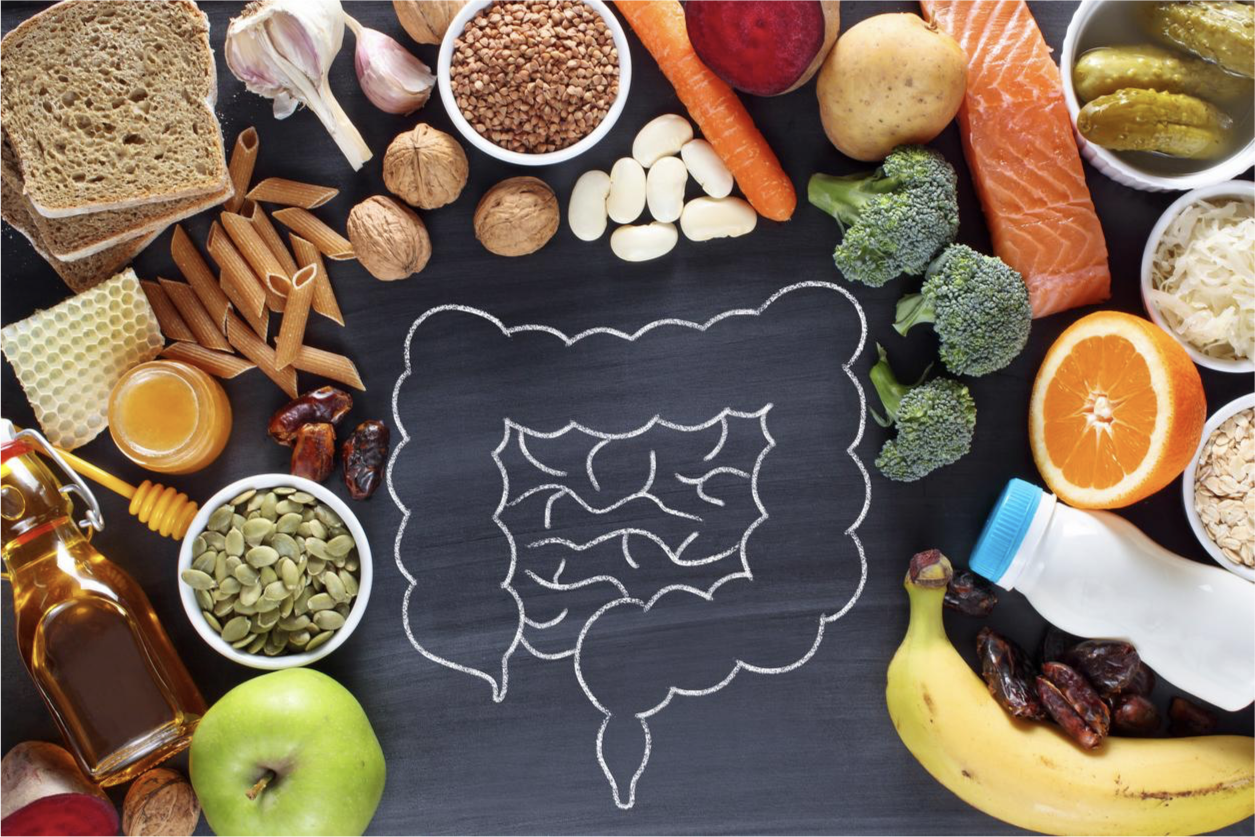
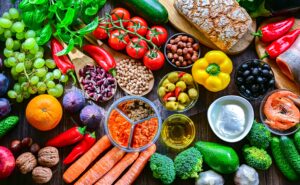
natural-products-for-bowel-gut-health-concept

Constant stomach issues may have more to do with your gut health than you believe. If the microorganisms that live inside your digestive system are not doing what they are supposed to, you could be spending more time in the bathroom than you’d like. Read on to find out about your gut health and the five simple steps to ensuring it is healthy.

What Factors Impact Your Gut Microbiome?

External and internal factors, believe it or not, have an impact on your gut health. Some illnesses, such as ulcerative colitis, Crohn’s disease, and celiac disease, can be passed down through families. Medication, stress, and, yes, your diet can all have an impact on the bacteria in your system.

Five Steps to Taking Care of Your Gut Health

Taking care of your digestive system requires that you pay attention to the signs of an unhealthy gut microorganism balance, also referred to as gut dysbiosis. These signs can be frequent upset stomachs, fatigue, cravings- especially sugar, and even food intolerances. Don’t fret though, there are five simple steps to get your gut health back in balance!

Take Probiotics

Probiotic supplements help to replace the good bacteria and yeasts in your digestive system. Taken regularly, you should see the symptoms of an unhealthy gut diminish. There are several forms of probiotics including prescription pills, over-the-counter pills, and some yogurts and smoothies. Read the labels of over the counter and food-based probiotic supplements to determine which has the highest number of bacteria per serving. Aim for 5 to 10 billion colony-forming units (CFU) per day.

Reduce Stress

Stress really places a physical load on the body. Gastrointestinal function is particularly influenced by stress. High-stress situations can cause issues like diarrhea, acid reflux, and even constipation. Nausea and vomiting are frequent side effects of stress as well. The simple solution is to take time for yourself and figure out how to manage your stress more effectively.

Managing stress can be done by implementing meditation time, time away from screens, deep breathing, yoga, and avoiding triggers if possible. If these do not help, may be able to advise you on other ways to reduce stress or possibly prescribe medications for chronic stress.

Exercise Regularly

Exercise isn’t just for heart health and staying thin! Just 30 minutes of exercise three times a week can help reduce the side effects of an unhealthy gut. Regular activity can help constipation and get your bowels moving better. Start off slowly if you are not used to the extra work on your body. Keep up with the movement and make it fun!

Exercise doesn’t have to be running on a treadmill, lifting weights, or walking in the park. You can do a variety of fun activities like yard volleyball, walking the dog, playing with the children or grandchildren outside, dancing, or a new favorite- using the virtual reality devices for exercise routines. Find something you love to do to keep you moving!

Cut Sugar & Avoid Processed Foods

Changing your diet can help your gut recover from the difficulties associated with eating processed foods. Change should take place slowly so that you do not shock the system. Frequently changing your diet can cause more stomach issues than sticking with one diet.

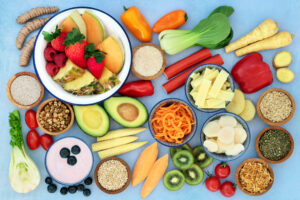
Avoid crash diets that only have you eat certain foods. A good diet consists of lean meats paired with fresh fruits and vegetables. Steamed, broiled, and pan-seared vegetables are great. Try to avoid excess oil by frying veggies or excess sugar by baking fruits.

Liquids also are an integral component of your diet. Water is best, clear liquids are a close second, but processed drinks like soda, energy drinks, and liquor should be taken in sparingly. Flavor your water with the fruits you love to enhance the taste. Drink chicken broth, hot tea with honey, and liquids you can see through to give your gut a small break.

Avoid Antibiotics

Antibiotics are made to fight bacterial infections. However, these medications cannot distinguish between “good” and “bad” bacteria. Therefore, when you are prescribed antibiotics to treat an infection, you may experience several negative effects on your gut due to a disruption in your microbiome. 

Overuse of antibiotics or the use of very strong antibiotics can result in the elimination of the gut’s good bacteria. Use antibiotics only when necessary, and do not use antibiotics for viral infections, it does not help. Ask your physician if it is necessary to take antibiotics to heal the infection and listen to your gut.

There are many gastro-related side effects from taking strong antibiotics. These can include diarrhea, upset stomach, nausea, vomiting, indigestion, acid reflux, and even yeast infections. Too many antibiotics within a small amount of time can a cause “C. diff” (Clostridioides difficile). C. diff is a very contagious infection of the intestines caused by the absence of good bacteria in the gut. If not treated right away, C diff can lead to serious medical problems for the person who has it. Treatment includes introducing probiotics, taking an antibiotic that targets the C. diff organism specifically, and isolating the patient.

Find a Gastroenterologist Near You

Changing your diet, taking some “me time”, starting probiotics, exercising, and avoiding antibiotics can all help increase the number of good microorganisms in your gut. However, there are things beyond over-the-counter remedies that will need to be addressed by a professional.

Minor gastro issues can be solved with acid-reducing medications, changes in the environment, and even a change in the other medications that you take. Ask your physician about your symptoms to determine what might be the cause. Depending on your symptoms you may need to see a specialist- a gastroenterologist- to assess and treat your condition. As your physician for a referral to get your gut health back on track!

You can also use Allied Digestive Health‘s online search to find a GI doctor near you. The sooner you find a solution to the problem the faster you and your gut can rest easy with the balance restored.

Signs of Stomach Ulcers

Stomach ulcers, also known as peptic ulcers, are painful sores that develop in the lining of the stomach or the first part of the small intestine. These ulcers can cause significant discomfort and lead to serious complications if left untreated. Understanding the signs and symptoms of stomach ulcers is crucial for early detection and effective management.
Read More »

Will a Low-Carb Diet Help My IBS?

A low-carb diet may offer relief for those struggling with irritable bowel syndrome (IBS), a condition characterized by abdominal pain and altered bowel habits. While many individuals seek dietary solutions to manage IBS symptoms, understanding the role of carbohydrates is crucial.

Read More »

Health Complications Linked to GERD

GERD, or gastroesophageal reflux disease, is a prevalent condition affecting millions worldwide. Characterized by chronic symptoms like heartburn and acid reflux, GERD can lead to significant health complications if left untreated.

Read More »

How to Prevent Constipation from IBS

Constipation is a common challenge for those with irritable bowel syndrome (IBS), particularly the IBS-C subtype. This condition affects millions globally, significantly impacting daily life. Understanding how to manage constipation effectively can improve quality of life for those struggling with IBS.
Read More »

Why Is There Blood in My Stool?

Noticing blood in your stool can be alarming. While it may be caused by a minor issue such as hemorrhoids, it can also be a sign of a more serious digestive condition. Understanding the possible causes of rectal bleeding can help determine when symptoms require medical attention.

Read More »

Signs That Your IBS Is Something More

Irritable bowel syndrome (IBS) is a common condition that affects how the digestive system functions. While IBS can cause uncomfortable symptoms such as abdominal pain and changes in bowel habits, it does not damage the digestive tract or lead to more serious disease. However, certain symptoms that may seem similar to IBS can actually signal other digestive disorders that require medical attention.

Read More »

Can Coffee Make You Constipated?

For many people, coffee is an essential part of the morning routine. Beyond providing an energy boost, coffee can also influence the digestive system. In fact, many individuals notice that drinking coffee stimulates a coffee bowel movement shortly after consumption.

Read More »

The Link Between IBS and Anxiety

Digestive health and mental health are more closely connected than many people realize. For individuals living with irritable bowel syndrome (IBS), symptoms often extend beyond the digestive tract and may be influenced by emotional and psychological factors

Read More »

What Conditions Does a FODMAP Diet Help?

Digestive symptoms like bloating, gas, abdominal pain, and irregular bowel movements are common in several gastrointestinal conditions. For many patients, certain foods can worsen these symptoms, making diet an important part of managing digestive health.

Read More »

Book Appointment

Please call our office to schedule an appointment.

Dr. Anu Sampat: (718) 227-1282