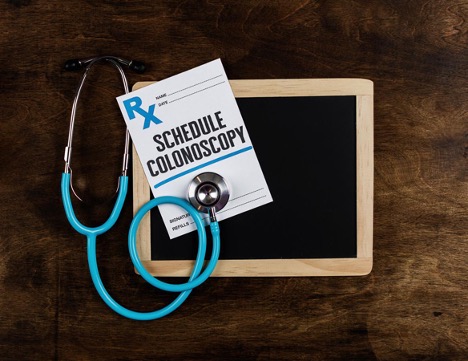
Colonoscopies are a commonly used diagnostic procedure that involves inserting a thin, flexible tube with a camera into the rectum and colon. They are primarily used to screen for colorectal cancer, but they can also help diagnose other gastrointestinal conditions, such as irritable bowel syndrome (IBS).
IBS is a chronic condition that affects the large intestine and causes symptoms like abdominal pain, bloating, and changes in bowel habits. Authorities estimate that around 10-15% of adults worldwide suffer from IBS. The exact cause of IBS is still unknown, but it may involve abnormal muscle contractions in the intestinal walls and nerve dysfunction.
What Can a Colonoscopy Detect?
A colonoscopy is an invaluable tool in detecting and diagnosing various gastrointestinal disorders. In addition to screening for colorectal cancer, the procedure can identify colon polyps, which are small growths that may develop into cancer over time. Colonoscopy is also effective in diagnosing inflammatory bowel diseases (IBD) such as Crohn’s disease and ulcerative colitis, both of which can cause significant gastrointestinal symptoms and complications.
Furthermore, the procedure can detect conditions like diverticulosis, infections, and even structural abnormalities within the colon. Overall, colonoscopy is crucial in maintaining digestive health and preventing serious illnesses.
Reasons for a Colonoscopy Test
There are several vital reasons why healthcare professionals may recommend a colonoscopy. First and foremost, it serves as an essential screening tool for colorectal cancer, particularly in individuals over the age of 45 or those with a family history of the disease.
Additionally, a colonoscopy can help investigate gastrointestinal symptoms such as unexplained abdominal pain, persistent changes in bowel habits, or rectal bleeding, providing valuable insights into potential underlying conditions. Regular colonoscopies are crucial for patients diagnosed with inflammatory bowel diseases to monitor disease progression and assess treatment effectiveness.
Furthermore, the procedure can remove polyps and perform biopsies, aiding cancer prevention and early detection. It is a proactive approach to maintaining digestive health and addressing potential health concerns.
Colonoscopy Benefits
Colonoscopies offer numerous benefits that contribute to the early detection and prevention of gastrointestinal diseases. One of the primary advantages is its ability to identify and remove precancerous polyps during the procedure, significantly reducing the risk of developing colorectal cancer. Additionally, a colonoscopy can provide a clear view of the colon’s interior, allowing for accurate diagnosis of various conditions, including IBD, diverticulitis, and infectious diseases.
This comprehensive examination not only aids in establishing appropriate treatment plans but also helps alleviate uncertainties regarding unexplained gastrointestinal symptoms. Furthermore, by enabling early intervention, colonoscopy can improve patient outcomes, enhance quality of life, and improve overall digestive health. Regular screening starting at 45 or earlier for at-risk people can be a vital strategy in promoting long-term wellness.
What a Colonoscopy Can’t Detect
While colonoscopy is a powerful diagnostic tool for various gastrointestinal conditions, it is essential to understand its limitations. One notable constraint is that colonoscopy cannot detect functional disorders of the intestines, such as irritable bowel syndrome (IBS), which may require different diagnostic approaches. Additionally, certain conditions like small bowel diseases, including celiac disease or small intestinal bacterial overgrowth, typically lie beyond the reach of a standard colonoscopy.
Polyps and cancerous growths are often identified during the procedure. Lesions in the upper gastrointestinal tract, such as those in the esophagus or stomach, necessitate separate diagnostic methods, like an upper endoscopy. Therefore, patients must discuss comprehensive symptom evaluations and potential diagnostic alternatives with their healthcare providers to ensure all aspects of their digestive health are addressed.
Can a Colonoscopy Detect IBS?
A colonoscopy is not typically used to diagnose irritable bowel syndrome (IBS) as it primarily investigates structural abnormalities and diseases of the colon. While the procedure can effectively rule out other gastrointestinal conditions that may mimic IBS symptoms, such as inflammatory bowel disease or colorectal cancer, it does not explicitly identify IBS itself.
IBS is classified as a functional gastrointestinal disorder, meaning it does not manifest through visible lesions or abnormalities that a colonoscopy could detect. Instead, diagnosis of IBS usually involves a thorough assessment of symptoms, medical history, and sometimes dietary evaluations, often guided by the Rome criteria, rather than reliance on imaging techniques like a colonoscopy.
Can a Colonoscopy Detect Pancreatic Problems?
A colonoscopy primarily examines the lower gastrointestinal tract, specifically the colon and rectum, which limits its ability to diagnose pancreatic problems directly. However, it can play a role in the broader evaluation of gastrointestinal symptoms that might suggest pancreatic issues. For instance, if a patient presents with symptoms such as unexplained abdominal pain, weight loss, or changes in bowel habits, a colonoscopy might be performed to rule out other conditions affecting the colon.
If abnormalities are found, such as pancreatic insufficiency or issues with bile duct flow, further imaging studies aimed explicitly at the pancreas, such as an MRI or CT scan, would be necessary for accurate diagnosis and management of pancreatic problems. Therefore, while a colonoscopy can contribute to understanding digestive health, it is not the primary diagnostic tool for pancreatic conditions.
Can a Colonoscopy Detect Stomach Problems?
A colonoscopy is not designed to evaluate stomach problems; its primary focus is on the lower gastrointestinal tract. However, it can provide indirect insights into overall gastrointestinal health. For patients experiencing symptoms such as abdominal pain, gastrointestinal bleeding, or significant weight loss, a colonoscopy may be conducted to rule out conditions affecting the colon and rectum.
If the procedure reveals abnormal findings, it may prompt further investigations, such as an upper endoscopy, which examines explicitly the stomach and upper digestive tract. To accurately diagnose stomach-related issues, including gastritis, ulcers, or other functional disorders, healthcare professionals typically rely on imaging studies and tests that directly assess the stomach rather than solely on colonoscopy findings.
When to Talk to Your Doctor
Maintaining open communication with your healthcare provider regarding digestive health is essential, especially when experiencing gastrointestinal symptoms. If you encounter persistent changes in bowel habits, unexplained abdominal pain, significant weight loss, or any other troubling symptoms, schedule a consultation.
Additionally, individuals with a family history of colorectal cancer or those who fall into higher risk categories should discuss appropriate screening timelines, including the potential need for a colonoscopy. Regular check-ins with your doctor can lead to timely interventions and a proactive approach to managing your digestive health effectively.
For more information on colonoscopies, consult the Allied Digestive Health experts.