



How a Low FODMAP Diet Helps IBS

ADH_How-a-Low-FODMAP-Diet-Helps-IBS

Living with irritable bowel syndrome (IBS) can be frustrating and unpredictable. Many people with IBS struggle with recurring digestive symptoms such as bloating, abdominal pain, diarrhea, constipation, or a mix of both. While there is no single cure for IBS, dietary management is one of the most effective ways to reduce symptoms. One widely recommended approach is the Low FODMAP diet, which helps identify foods that trigger IBS flare-ups and supports better digestive health.

What Is the Low FODMAP Diet?

The Low FODMAP diet is a specialized elimination diet designed to reduce certain types of carbohydrates that can be difficult for some people to digest. FODMAP stands for fermentable oligosaccharides, disaccharides, monosaccharides, and polyols — groups of short-chain carbs that are poorly absorbed in the digestive tract.

These carbohydrates are commonly found in everyday foods and include:

  • Fructose (found in fruits, honey, and certain sweeteners)

  • Lactose (found in dairy products)

  • Fructans (found in wheat, onions, and garlic)

  • Polyols (found in sugar-free sweeteners and some fruits)

When these carbohydrates are not fully absorbed in the small intestine, they can lead to increased water retention and fermentation in the gut, contributing to gastrointestinal discomfort.

The Link Between FODMAPs and IBS Symptoms

People with IBS often experience heightened gut sensitivity, meaning their digestive system reacts more strongly to normal digestive processes. When FODMAP carbohydrates reach the colon, they are rapidly broken down through gut fermentation by gut bacteria.

This fermentation process produces excess gas production, which can stretch the intestinal walls and trigger symptoms such as:

  • Bloating and abdominal distension

  • Cramping and abdominal pain

  • Diarrhea or constipation

  • General digestive discomfort

In individuals with IBS, this reaction is often linked to carbohydrate intolerance, making FODMAP restriction an effective strategy for symptom control.

How the Low FODMAP Diet Works

The Low FODMAP diet is typically completed in three structured phases:

  1. Elimination Phase
    During this phase, high-FODMAP foods are temporarily removed using a carefully designed FODMAP foods list. This step allows digestive symptoms to settle and helps identify whether FODMAPs are contributing to IBS flare-ups.
  2. Reintroduction Phase
    Foods are slowly reintroduced one group at a time. This helps identify which specific FODMAP carbohydrates, such as fructose, lactose, or fructans, are most likely to trigger symptoms.
  3. Personalization Phase
    Patients develop a customized diet that limits trigger foods while maintaining nutritional balance. This long-term plan helps manage IBS symptoms while supporting overall digestive health.

Benefits of a Low FODMAP Diet for IBS

Research shows that many individuals with irritable bowel syndrome experience symptom improvement when following a Low FODMAP diet. Potential benefits include:

  • Reduced bloating and gas

  • Decreased abdominal discomfort

  • Improved bowel regularity

  • Better understanding of personal food triggers

  • Improved quality of life

By lowering exposure to poorly absorbed short-chain carbs, patients often experience less gut fermentation and fewer digestive disruptions.

Foods to Avoid and Foods You Can Eat

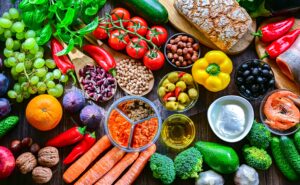
Following a low-FODMAP diet involves limiting certain high-FODMAP foods while incorporating alternatives that are easier to digest.

Foods Often Limited

  • Dairy products containing lactose

  • Fruits high in fructose, such as apples and mangoes

  • Wheat products containing fructans

  • Certain vegetables like onions and garlic

  • Sugar substitutes containing polyols

Foods Often Better Tolerated

  • Lactose-free dairy products

  • Bananas, berries, and citrus fruits

  • Rice, oats, and gluten-free grains

  • Lean proteins such as chicken, fish, and eggs

  • Many low-FODMAP vegetables like spinach and carrots

Working with a healthcare professional ensures dietary balance while using an accurate FODMAP foods list.

Challenges and Risks of the Low FODMAP Diet

While effective, the Low FODMAP diet can be complex and restrictive if followed without guidance. Potential challenges include:

  • Difficulty maintaining a nutritionally balanced diet

  • Risk of unnecessary long-term food restriction

  • Possible changes in healthy gut bacteria diversity

  • Confusion about food labels and ingredient lists

Because the elimination phase is not intended to last indefinitely, professional supervision helps patients avoid nutritional deficiencies and maintain healthy digestion.

When to See a Gastroenterologist

If you regularly experience digestive symptoms such as persistent bloating, abdominal pain, or irregular bowel habits, it may be time to consult a gastroenterologist. Medical evaluation is especially important if symptoms:

  • Interfere with daily activities

  • Worsen over time

  • Are accompanied by weight loss or blood in stool

  • Do not improve with dietary changes

A gastroenterologist can diagnose IBS, rule out other digestive conditions, and guide safe dietary treatment plans.

Scheduling a Consultation

Managing IBS often requires personalized care. A consultation with a doctor at Allied Digestive Health can help determine whether the Low FODMAP diet is appropriate for your symptoms and digestive health goals.

During your appointment, your provider may review your medical history, evaluate symptoms, and create a tailored care plan that may include dietary modifications, testing, or additional therapies. Early guidance can help you manage IBS symptoms and improve long-term digestive health.

Link Between Ulcerative Colitis and Colorectal Cancer

If you have ulcerative colitis, you may have heard that it can raise your risk of colorectal cancer, and that can be worrying to think about. The reassuring reality is that most people with ulcerative colitis never develop colorectal cancer, and the tools to manage that risk are effective and well established

Read More »

How to Relieve IBS Pain

The abdominal pain and cramping of irritable bowel syndrome (IBS) can range from a nagging ache to a flare that stops you in your tracks. If you are searching for how to relieve IBS pain, the encouraging news is that there are both quick comfort measures for the moment and longer-term strategies that can reduce how often flares happen at all.

Read More »

How to Stop Bloating After Meals

That tight, swollen, uncomfortable feeling that shows up after eating is one of the most common digestive complaints, and it can turn an enjoyable meal into hours of discomfort. The good news is that post-meal bloating is often very manageable once you understand what causes it.

Read More »

How to Follow an Elimination Diet for IBS

For people living with irritable bowel syndrome (IBS), food can feel like a minefield, with meals sometimes triggering abdominal pain, bloating, and unpredictable bowel habits. A structured elimination diet is one of the most evidence-supported ways to identify which foods drive those symptoms.

Read More »

Colorectal Cancer and Stool: Red Flags to Be Aware Of

Your stool can reveal a surprising amount about your digestive health, and paying attention to it is one of the simplest ways to catch a problem early. While most changes in bowel habits are caused by diet, stress, or minor conditions, certain stool changes can be warning signs of colorectal cancer, one of the most common and most preventable cancers.

Read More »

Best and Worst Protein Sources for IBS

Protein is essential for energy, muscle, and overall health, but for people with irritable bowel syndrome (IBS), how you get that protein can make the difference between a comfortable day and a flare.

Read More »

Can Constipation Make You Nauseous?

If you have ever felt queasy during a bout of constipation, you are not imagining the connection. While constipation is usually thought of as a lower-digestive problem, it can also leave you feeling sick to your stomach, especially when it is severe or long-lasting.

Read More »

Signs of Stomach Ulcers

Stomach ulcers, also known as peptic ulcers, are painful sores that develop in the lining of the stomach or the first part of the small intestine. These ulcers can cause significant discomfort and lead to serious complications if left untreated. Understanding the signs and symptoms of stomach ulcers is crucial for early detection and effective management.
Read More »

Will a Low-Carb Diet Help My IBS?

A low-carb diet may offer relief for those struggling with irritable bowel syndrome (IBS), a condition characterized by abdominal pain and altered bowel habits. While many individuals seek dietary solutions to manage IBS symptoms, understanding the role of carbohydrates is crucial.

Read More »

Health Complications Linked to GERD

GERD, or gastroesophageal reflux disease, is a prevalent condition affecting millions worldwide. Characterized by chronic symptoms like heartburn and acid reflux, GERD can lead to significant health complications if left untreated.

Read More »

How to Prevent Constipation from IBS

Constipation is a common challenge for those with irritable bowel syndrome (IBS), particularly the IBS-C subtype. This condition affects millions globally, significantly impacting daily life. Understanding how to manage constipation effectively can improve quality of life for those struggling with IBS.

Read More »

Book Appointment

Please call our office to schedule an appointment.

Dr. Anu Sampat: (718) 227-1282